Advanced Dengue Testing & Viral Screening Panels
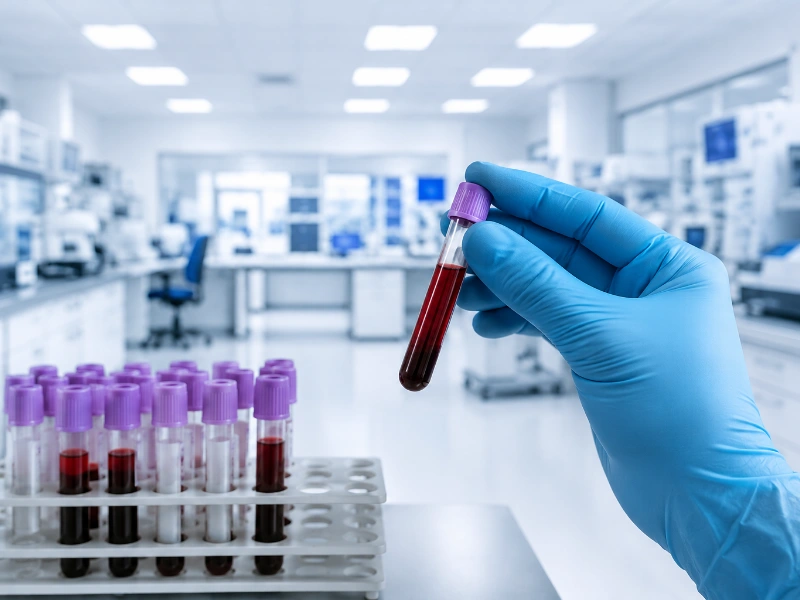
A Dengue Test is a specialized clinical profile designed to detect the presence of the dengue virus or its corresponding immune markers in your bloodstream. Transmitted primarily through the bite of an infected Aedes mosquito, the dengue virus can cause rapid, severe physiological shifts that require careful clinical monitoring. Specifically, by utilizing ultra-sensitive automated chemiluminescence immunoassay (CLIA) and high-throughput hematology analyzers, our laboratory evaluates viral antigens, specific antibodies, and blood cell dynamics with exceptional diagnostic clarity.
Furthermore, because early dengue symptoms like sudden high fever, severe headaches, and intense joint pain can closely mimic other seasonal tropical illnesses like malaria or typhoid, precise pathological screening is critical. Finding the infection early allows physicians to track your internal recovery, watch out for sudden blood count drops, and guide safe fluid management before severe complications occur. Consequently, our dedicated diagnostic protocols use strict quality controls, standardized calibrations, and rapid processing lines. As a result, medical teams receive highly precise data to help you recover quickly and safely.
What is a Comprehensive Dengue Test Panel?
A dengue test panel is a comprehensive blood check that evaluates both direct viral indicators and your body’s active immune response across different stages of the illness. Therefore, precise multi-tiered laboratory analysis allows our pathologists to monitor active viral shedding, identify specific antibody phases, and track critical platelet levels for a thorough health review.
- Dengue NS1 Antigen (Early viral protein detection)
- Dengue IgM Antibodies (Indicating recent or acute phase infection)
- Dengue IgG Antibodies (Showing historical exposure or secondary infection risk)
- Complete Blood Count cross-references (Continuous monitoring of Platelets and Hematocrit)
- Systemic Inflammatory Markers (Evaluating infection severity via CRP and ESR profiles)

Why is a Dengue Test Performed?
Physicians commonly recommend targeted dengue tests when patients develop a sudden, severe fever accompanied by classic muscle aches, behind-the-eye pain, or unexplained skin rashes. Moreover, the analytical findings directly assist general practitioners, pediatricians, hematologists, and infectious disease specialists in choosing the safest treatment paths. Our experienced medical team ensures you receive precise results.
- Routine checking or baseline verification during acute fever spikes in monsoon seasons
- Experiencing classic symptoms like severe joint and bone discomfort (“breakbone fever”)
- Investigating continuous headaches, behind-the-eye pain, nausea, or exhaustion
- Evaluating the sudden appearance of flat red rashes across your chest, back, or limbs
- Monitoring individuals who show warning indicators like bleeding gums or easy bruising
- Differentiating dengue from other seasonal illnesses like malaria, chikungunya, or typhoid
- Tracking platelet counts daily in diagnosed patients to manage bleeding risks safely
- Screening individuals with a history of dengue to assess secondary infection risks

Key Biomarkers Mapped During Dengue Testing
Dengue NS1 Antigen
We measure the non-structural protein 1 released by the virus into your blood. This highly specific marker is detectable from the very first day of your fever, making it the ideal tool for catching the virus early.
Dengue IgM & IgG Antibodies
Our team checks for specific immune defenses. The appearance of IgM confirms an active, current infection, while measuring IgG helps clinicians see if you have had dengue in the past, which is key for evaluating secondary risks.
Platelet Count Monitoring
The analyzer evaluates your blood platelets—the cells responsible for clotting. Because the dengue virus can temporarily slow down platelet production, monitoring this level daily is vital to prevent serious bleeding issues.
Hematocrit Density Factor
We track hematocrit levels to measure the concentration of your blood. A sudden rise in this score shows that fluid is shifting out of your blood vessels, alerting your doctor that you need immediate hydration support.
Conditions Managed and Monitored via Viral Profiling
An accurate dengue test panel helps clinicians identify, track, and manage various stages of viral and vascular conditions. You can find updated public health guidelines from the World Health Organization vector-borne disease standards.
- Classic Dengue Fever (Acute viral phase management)
- Dengue Hemorrhagic Fever (DHF) risk tracking and monitoring
- Dengue Shock Syndrome (DSS) early vascular prevention
- Severe Thrombocytopenia (Critical platelet drop management)
- Vascular plasma leakage baseline evaluation
- Secondary Dengue infection risk assessment
- Post-viral recovery and immune convalescence tracking
If your viral screening reveals a drop in blood cell counts or complex chemical changes, your doctor may suggest matching your profile with other advanced diagnostic checks. For a highly detailed look at your body’s immune cells and platelet counts, see our Complete Blood Count (CBC) test services. For complete organ processing and filtering checks, check out our Liver Function Test services or our Kidney Function Test services. You can also explore our general blood test services, evaluate acute tissue indicators with a dedicated Infection Test, verify urinary pathways with a routine Urine Test, manage metabolic fats with a Lipid Profile test, or see how structural neuroendocrine pathways are monitored using our specialized MRI Pituitary Brain services. If you prefer to have your blood drawn comfortably at home while resting, you can book a certified mobile professional through our professional home blood collection services.
Preparation for a Dengue Test
- No fasting is required for a standalone dengue panel or blood count check; you can eat and drink normally before your sample collection.
- Drink plenty of plain water before your appointment to stay well-hydrated, which keeps your veins full and easy to find.
- Inform our laboratory staff about all daily medications, antibiotics, or herbal supplements you take.
- Let our team know if you take regular pain relievers like aspirin or ibuprofen, as certain medications can affect blood clotting and should be reviewed during viral flares.
- Tell our phlebotomist which day your fever started so we can select the most accurate antigen or antibody check for that phase.
What Happens During the Sample Collection Process?
- Our professional phlebotomist seats you comfortably in our modern collection suite.
- A soft band is placed around your upper arm to help make the collection vein clearly visible.
- The skin over the selected site is thoroughly cleaned using a sterile antiseptic wipe.
- We draw your blood sample quickly and smoothly using an advanced, single-use vacuum collection system.
- The needle is carefully removed, and a gentle compression pad is pressed over the site to stop bleeding.
- A protective bandage is applied, and your sample tube is instantly barcoded for security.
- The sample is transferred directly to our automated immunoassay and hematology testing lines for rapid processing.
The blood drawing sequence is highly efficient, typically taking less than 3 minutes to safely complete.
Frequently Asked Questions
What is the best day to test for a dengue infection?
The best test depends on how long you have had a fever. During the first 1 to 5 days, the NS1 antigen test is highly accurate because the virus is actively circulating. After day 5, as the virus clears and your body builds defenses, IgM and IgG antibody tests become the preferred choices.
Why does a dengue infection cause platelet counts to drop?
The dengue virus can temporarily suppress your bone marrow, slowing down the production of new platelets. Additionally, the infection can cause your body’s immune system to destroy existing platelets faster, which is why regular monitoring is vital.
What is the difference between a primary and a secondary dengue infection?
A primary infection is your first time catching the virus, which usually results in standard flu-like symptoms. A secondary infection means you are catching a different strain of the virus later. This second exposure can trigger an overactive immune response, raising the risk of more serious vascular complications.
How long does it take to get my verified dengue panel results?
Our fully automated testing platforms process viral serology panels efficiently, with detailed, verified digital reports usually available within 12 to 24 hours of sample collection.
Why is a laboratory blood test preferred over managing a seasonal fever at home?
Ultimately, while mild fevers can clear up with rest, dengue can cause your platelet levels to drop rapidly without any immediate physical warning signs. Precise laboratory blood screening is the only definitive way to measure your cell levels, remove the medical guesswork, and ensure you recover safely.
Why Our Diagnostics Laboratory is the Premier Choice for Viral Testing
Our medical laboratory remains the premier choice for monitoring your health because we provide exceptionally precise viral antigen and antibody tracking using top-tier automated testing platforms. Furthermore, our clinical workflows eliminate manual handling errors, our quality control protocols align with global pathology standards, and we ensure rapid delivery of your reports so you and your doctor stay fully informed. This steady focus on diagnostic accuracy makes our laboratory a trusted partner in helping you track viral infections and protect your long-term health.