Complete Blood Count (CBC) Test
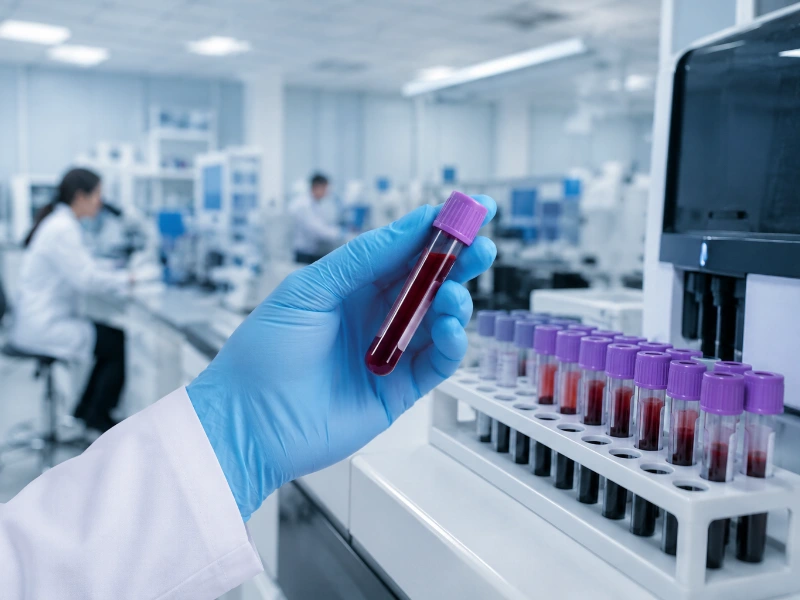
A Complete Blood Count (CBC) Test is one of the most common and essential blood screening evaluations used in modern medicine to assess your overall health status. By providing a detailed breakdown of the cellular components in your blood, this test serves as a vital diagnostic baseline. Specifically, by using advanced automated hematology technology, this examination evaluates red blood cells, white blood cells, and platelets with exceptional precision, helping physicians detect a wide range of conditions like anemia, infections, and clotting disorders.
Furthermore, because your blood cells play critical roles in transporting oxygen, fighting off infections, and stopping bleeding, tracking changes in their numbers or shapes provides immediate insight into your body’s internal state. Consequently, our dedicated laboratory protocols utilize advanced flow cytometry and digital imaging to carefully analyze cellular features. As a result, our pathologists can easily identify even subtle changes that might point to early bone marrow issues, immune responses, or nutritional deficiencies.
What is a Complete Blood Count (CBC) Test?
A CBC test is a routine blood panel that counts and examines the individual cells making up your blood. Therefore, high-precision laboratory analysis allows our pathologists to accurately check your cell levels, sizes, and structural characteristics for a comprehensive health assessment.
- Red Blood Cell (RBC) count
- Hemoglobin (Hb) levels
- Hematocrit (Hct) ratio
- White Blood Cell (WBC) count
- WBC Differential count (Neutrophils, Lymphocytes, Monocytes, Eosinophils, Basophils)
- Platelet count
- Mean Corpuscular Volume (MCV)
- Mean Corpuscular Hemoglobin (MCH)
- Mean Corpuscular Hemoglobin Concentration (MCHC)
- Red Cell Distribution Width (RDW)
- Mean Platelet Volume (MPV)

Why is a CBC Test Performed?
Physicians commonly recommend a CBC test during regular physical checkups, when investigating symptoms like unusual fatigue, or when monitoring ongoing medical treatments. Moreover, the results directly assist hematologists, oncologists, general physicians, and immunologists in establishing accurate diagnoses and treatment strategies. Our experienced medical team ensures you receive precise results.
- Persistent fatigue, unexplained weakness, or low energy levels
- Signs of infection, such as an ongoing fever, chills, or inflammation
- Unusual bruising, frequent nosebleeds, or slow blood clotting
- Routine screening before major surgical procedures
- Monitoring the side effects of therapies like chemotherapy
- Tracking chronic medical conditions that affect blood cells
- Investigating sudden, unexplained weight loss or pale skin
- Evaluating nutritional deficiencies like iron, B12, or folate shortages

Key Biomarkers Evaluated During a CBC Test
Red Blood Cells & Hemoglobin
We measure red blood cell counts and hemoglobin levels to evaluate your blood’s ability to transport oxygen from your lungs to the rest of your body, helping rule out anemia.
White Blood Cells & Differential Count
Our team tracks total white blood cells and breaks down their individual types. This helps us see how your immune system is responding to infections, allergies, or inflammatory triggers.
Platelets
The analyzer evaluates your platelet count, which is critical for measuring your body’s ability to form clots and stop bleeding after a cut or injury.
Red Blood Cell Indices (MCV, MCH, MCHC)
We assess the physical size and hemoglobin concentration of individual red blood cells. These specific details are vital for pinpointing different types of nutritional or genetic anemias.
Conditions Diagnosed and Monitored Using a CBC Test
A detailed CBC panel assists in diagnosing a wide range of hematologic, immunological, and metabolic conditions. You can learn more about clinical blood cell standards from the American Society of Hematology.
- Iron Deficiency Anemia
- Vitamin B12 and Folate Deficiency Anemia
- Acute and chronic bacterial or viral infections
- Leukemia, Lymphoma, and bone marrow conditions
- Thrombocytopenia (Low platelet count increasing bleeding risk)
- Thrombocytosis (High platelet count increasing clot risk)
- Allergic reactions and parasite infections (via Eosinophil levels)
- Polycythemia Vera (Overproduction of red blood cells)
- Dehydration effects on blood density
- Systemic autoimmune and inflammatory disorders
If your CBC test reveals unusual immune patterns or cellular variations, your doctor may suggest broader biochemical tracking. For detailed filtration profiles, view our Kidney Function Test services. For comprehensive metabolic panels, look over our general blood test services, or see how structural neuroendocrine changes are managed via our MRI Pituitary Brain services. If you prefer to skip the clinic commute completely, you can book a professional technician through our home blood collection services.

Preparation for a CBC Test
- No fasting is required if you are only getting a standalone CBC test; you can eat and drink normally.
- Drink plenty of plain water to stay well-hydrated, which makes finding a vein easier.
- Inform our lab team if you have had a recent blood transfusion or take blood thinners.
- Wear loose clothing with sleeves that roll up easily past the elbow crease.
- Continue taking your regular daily medications unless your doctor explicitly tells you otherwise.
What Happens During the Sample Collection?
- Our professional phlebotomist sits you comfortably in a designated draw area.
- A soft band is placed around your arm to make the vein visible.
- The skin over the collection site is thoroughly cleaned with an antiseptic wipe.
- We collect your sample quickly using a sterile, single-use vacuum tube.
- The needle is carefully removed, and a small cotton pad is pressed over the site to stop bleeding.
- A small bandage is placed over the puncture site, and your tube is barcoded immediately.
- The sample goes directly into our automated hematology analyzer for processing.
The actual blood drawing process is highly efficient and typically takes less than 3 minutes to complete safely.
Frequently Asked Questions
Do I need to fast before a CBC test?
No. A standalone CBC test does not require fasting. However, if your doctor has bundled your CBC with other checks like a fasting blood sugar or lipid panel, you will need to fast for 8 to 12 hours before the draw.
What does a high white blood cell (WBC) count mean?
A high WBC count usually shows that your body’s immune system is actively fighting off an infection or handling inflammation. It can also be triggered by high physical stress, strenuous exercise, or certain medications.
What is the difference between a CBC and a CBC with differential?
A basic CBC counts the total numbers of red cells, white cells, and platelets. A CBC with differential takes it a step further by breaking down the white blood cells into five distinct types, showing exactly how your immune system is responding.
Can an abnormal CBC result be caused by something temporary?
Yes. Temporary factors like mild dehydration, a recent minor viral infection, intense exercise, or stress can throw off your cell counts without pointing to a long-term illness.
Why is a CBC test included in almost all routine health checkups?
Ultimately, a CBC test provides a quick, highly detailed look at your general health. It can reveal hidden conditions like anemia or early infections long before you notice any physical symptoms.
Why Our Advanced Pathology Lab is the Premier Choice for Hematology Testing
Our laboratory remains the premier choice for your CBC testing because we deliver outstanding accuracy in cellular diagnostics. Furthermore, our certified facility utilizes fully automated cell counters to eliminate human error, follows strict international quality control measures, and ensures rapid turnarounds so you get your results without delay. This steady focus on precision makes our laboratory a trusted partner for your routine preventative checks and diagnostic care.