Advanced COVID-19 Testing & Molecular Diagnostics
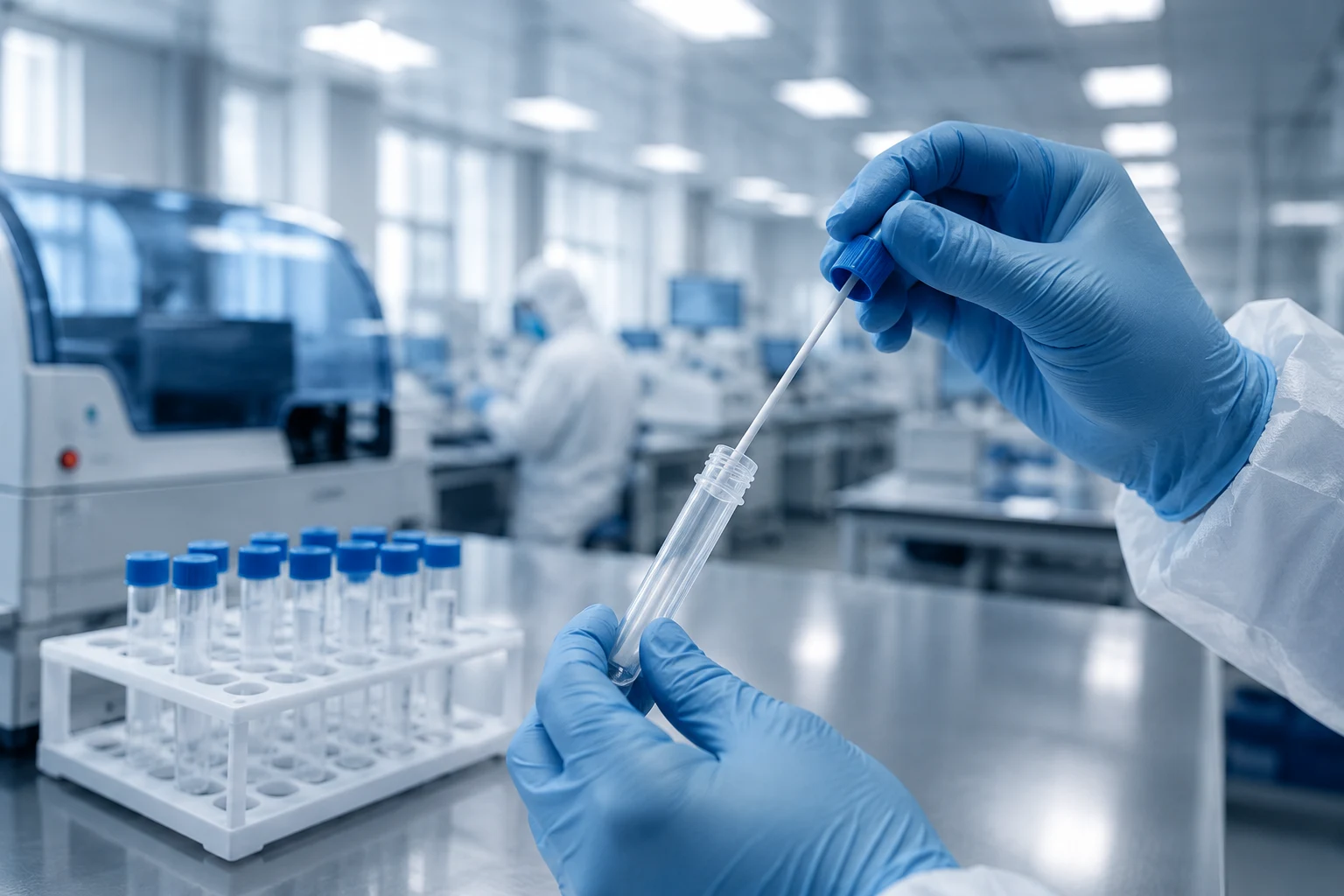
A COVID-19 Test is a highly specialized molecular or immunological examination designed to detect the presence of the SARS-CoV-2 virus in your respiratory tract. By screening for viral genetic material or specific surface proteins, these diagnostic panels offer definitive answers regarding active viral infections. Specifically, by utilizing gold-standard Real-Time Reverse Transcription Polymerase Chain Reaction (RT-PCR) technology and highly specific rapid immunoassay platforms, our advanced laboratory evaluates patient specimens with outstanding diagnostic clarity.
Furthermore, because respiratory infections can present with overlapping symptoms like cough, body aches, and fever, a precise laboratory reading removes all clinical guesswork. Finding the virus early is vital to prevent transmission to vulnerable family members, guide therapeutic choices, and secure official travel or medical clearance. Consequently, our dedicated molecular protocols utilize strict clean-room isolation, automated extraction wells, and multi-tier verification checks. As a result, clinical teams receive highly accurate reports to support timely recovery and safe lifestyle planning.
What is a Comprehensive COVID-19 Test?
A COVID-19 test is a certified diagnostic check that looks for active viral shedding using nasopharyngeal or oropharyngeal swab samples. Therefore, high-precision laboratory analysis allows our pathologists to identify active infections, track viral mutations, or evaluate historical immune exposure for a complete respiratory health review.
- Real-Time RT-PCR Test (Gold-standard viral genetic material mapping)
- Rapid Antigen Test (Fast screening for viral surface proteins)
- Qualitative and Quantitative Antibody Tests (Checking IgG and IgM immune responses)
- Influenza & Respiratory Virus Panel cross-references
- Systemic Inflammatory Biomarkers (Evaluating infection severity via CRP and CBC metrics)

Why is a COVID-19 Test Performed?
Physicians recommend targeted COVID-19 testing when patients show acute respiratory signs, require medical clearance for travel or surgeries, or have been exposed to a confirmed viral case. Moreover, the analytical results directly assist pulmonologists, general practitioners, infectious disease experts, and occupational health teams in building safe treatment pathways. Our experienced medical team ensures you receive precise results.
- Routine tracking or baseline verification during acute respiratory illness episodes
- Experiencing classic symptoms like sudden fever, dry cough, sore throat, or fatigue
- Investigating a sudden loss of taste or smell (Anosmia)
- Fulfilling certified fitness requirements for international travel or workplace entry
- Pre-operative health profiling to ensure safety before hospital admission or surgery
- Screening individuals following close contact with a laboratory-confirmed case
- Differentiating seasonal allergies or influenza from an active coronavirus infection
- Monitoring high-risk or immunocompromised patients showing early signs of congestion
Key Biomarkers and Detection Methods Tracked During Testing
RT-PCR Molecular Amplification
We extract and amplify specific viral RNA sequences using dedicated thermal cyclers. This advanced method can identify even tiny amounts of viral genetic material, making it the absolute gold standard for catching infections early.
Rapid Antigen Protein Strips
Our team checks for the structural nucleocapsid proteins of the virus. This quick test delivers immediate screening results during the peak shedding phase, when a patient is most contagious.
Serological Antibody Tracking
The analyzer evaluates circulating IgM and IgG antibodies. This blood-based test shows if your body has built an immune response from past exposure or vaccination, rather than checking for an active infection.
Inflammatory Response Indicators
When requested, we check acute-phase proteins alongside white blood counts. This tracking gives your physician an objective look at the body’s internal immune response to the virus.
Conditions Managed and Monitored via Viral Testing
An accurate COVID-19 diagnostic panel helps clinicians identify, manage, and isolate acute viral and respiratory disorders. You can find updated public health guidelines from the World Health Organization respiratory infection standards.
- Active SARS-CoV-2 Infection (Symptomatic or asymptomatic viral shedding)
- Early-stage pre-symptomatic viral detection
- Post-viral systemic recovery and chronic fatigue tracking
- Immune status profiling (Evaluating historical antibodies)
- Respiratory co-infections (Differentiating viral strains)
- Severe immune activation risk screening
If your viral screening reveals systemic inflammation or complex cellular changes, your physician may suggest matching your profile with other advanced diagnostic checks. For a highly detailed look at your body’s defense cells and red blood counts, look over our Complete Blood Count (CBC) test services. For complete organ processing and filtering checks, check out our Liver Function Test services or our Kidney Function Test services. You can also explore our general blood test services, evaluate acute tissue indicators with a dedicated Infection Test, verify urinary pathways with a routine Urine Test, manage metabolic fats with a Lipid Profile test, or see how structural neuroendocrine pathways are monitored using our specialized MRI Pituitary Brain services. If you prefer to stay comfortably isolated at home while resting, you can book a certified technician through our professional home blood collection services.
Preparation for a COVID-19 Test
- No fasting is required for a routine swab test; you can eat and drink normally beforehand.
- Avoid using medicated nasal sprays, mouthwashes, or lozenges for 1 hour prior to collection to prevent sample interference.
- Inform our laboratory staff about all daily medications, antibiotics, or herbal supplements you take.
- Have a valid form of identification ready, as certified travel or medical reports require verified identification records.
- Wear a protective face mask to your collection appointment and follow our diagnostic center’s isolation protocols.
What Happens During the Sample Collection Process?
- Our professional technician verifies your identity and registers your barcoded sample kit.
- You will sit comfortably in a dedicated, well-ventilated, or isolated collection area.
- We instruct you to tilt your head back slightly to clear your nasal or oral pathways.
- A sterile, flexible diagnostic swab is gently inserted into your nasal cavity or throat for a few seconds.
- The swab is carefully rotated to gather respiratory epithelial cells and immediately placed into a viral transport medium (VTM).
- The barcoded vial is sealed securely and sent straight to our molecular testing line under temperature-controlled protocols.
- Our molecular automated analyzers process the sample, and senior pathologists release your verified report online.
The physical swabbing process is highly efficient, typically taking less than 1 minute to safely complete.
Frequently Asked Questions
What is the main difference between an RT-PCR test and a Rapid Antigen test?
An RT-PCR test amplifies and tracks viral RNA genetic material, making it highly sensitive and accurate even when viral levels are very low. A Rapid Antigen test looks for viral surface proteins; it delivers results within minutes but is most reliable during the peak shedding phase when viral levels are high.
Can a COVID-19 test deliver an incorrect negative result if taken too early?
Yes. If you collect a sample immediately after exposure before the virus has had time to replicate inside your respiratory cells, the viral load may be too low to detect. It is usually best to test 3 to 5 days after a suspected exposure, or as soon as physical symptoms appear.
Does a positive antibody test mean I have an active infection?
No. A positive antibody test only shows that you have built an immune response from a past exposure or a vaccination. It does not mean you have an active, contagious infection. Swab tests like RT-PCR are required to check for active viral shedding.
How long does it take to receive my verified COVID-19 RT-PCR results?
Our molecular diagnostic facility processes viral panels efficiently. Rapid antigen results are usually available within an hour, while high-precision RT-PCR reports are typically verified and texted to you within 12 to 24 hours of collection.
Why is a laboratory-processed test preferred over a home self-test kit?
Ultimately, while home kits are convenient for initial screenings, they are prone to user handling errors during swabbing and mixing. A laboratory-processed test uses automated extraction wells and calibrated thermal cycling to eliminate human error, delivering a certified report accepted by hospitals and airlines worldwide.
Why Our Diagnostics Laboratory is the Premier Choice for Molecular Testing
Our medical laboratory remains the premier choice for respiratory and viral testing because we provide exceptionally precise molecular measurements using top-tier automated extraction and thermal amplification systems. Furthermore, our clinical workflows isolate samples carefully to prevent cross-contamination, our quality control protocols align with global pathology standards, and we ensure rapid delivery of your reports so you can make informed health decisions without delay. This steady focus on diagnostic accuracy makes our laboratory a trusted partner in protecting your health and peace of mind.