Advanced Malaria Testing & Parasite Screening Panels
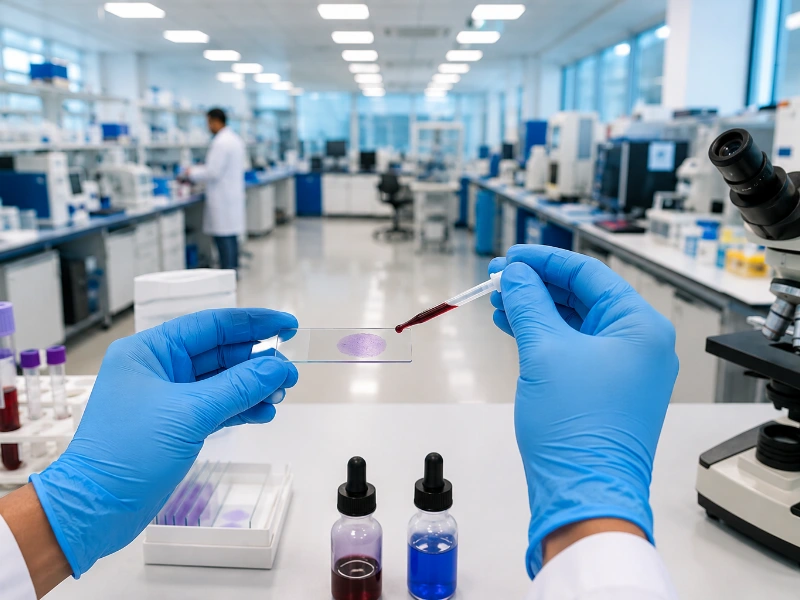
A Malaria Test is a highly specific diagnostic blood profile designed to identify the presence of Plasmodium parasites in your circulatory system. Transmitted through the bite of an infected female Anopheles mosquito, malaria is a serious blood-borne infection that destroys red blood cells and requires immediate clinical confirmation. Specifically, by using advanced automated rapid diagnostic tests (RDTs) alongside gold-standard thin and thick peripheral blood smear microscopy, our pathology laboratory evaluates parasitic presence and cellular health with exceptional clarity.
Furthermore, because malaria symptoms like sudden cycling fevers, severe shaking chills, drenching sweats, and flu-like body aches closely overlap with other tropical seasonal infections, an accurate laboratory reading is absolutely vital. Finding the specific parasite strain allows your physician to prescribe the correct targeted antimalarial medications and prevent severe cellular complications. Consequently, our dedicated diagnostic protocols utilize strict smear staining standards, high-magnification medical optics, and rapid processing channels. As a result, medical teams receive precise data to guide your treatment and support a fast, safe recovery.
What is a Comprehensive Malaria Test Panel?
A malaria test panel is a detailed blood examination that combines fast immune-based antigen screening with expert microscopic viewing of your blood cells. Therefore, multi-tiered laboratory analysis allows our pathologists to confirm the infection, identify the exact parasite species, and track red blood cell density for a thorough diagnostic review.
- Malaria Rapid Diagnostic Test (RDT) (Detecting specific parasitic antigens like HRP-2 or pLDH)
- Thick Blood Smear Microscopy (Highest sensitivity for finding low levels of parasites)
- Thin Blood Smear Microscopy (Gold standard for identifying the exact Plasmodium species)
- Complete Blood Count cross-references (Monitoring Hemoglobin, Platelets, and Red Blood Cells)
- Inflammatory Marker Profiles (Tracking systemic responses via CRP and ESR scores)

Why is a Malaria Test Performed?
Physicians commonly recommend a malaria test when patients experience cyclic spikes in body temperature accompanied by severe shaking chills, unexplained fatigue, or after returning from a known malaria-prone region. Moreover, the analytical results directly assist general practitioners, pediatricians, hematologists, and travel medicine specialists in choosing the safest treatment paths. Our experienced medical team ensures you receive precise results.
- Routine checking or baseline verification during acute fever outbreaks in high-risk seasons
- Experiencing cyclical patterns of high fever followed by sudden drop, chills, and drenching sweats
- Investigating continuous severe headaches, dry cough, muscle pain, nausea, or vomiting
- Evaluating signs of rapid blood cell loss, such as pale skin, dizziness, or mild jaundice
- Differentiating malaria from other seasonal viral or bacterial illnesses like dengue, chikungunya, or typhoid
- Tracking parasitic load percentages over time to check how well antimalarial treatments are working
- Screening individuals showing signs of liver or spleen enlargement during an acute fever episode
- Pre-operative baseline screening to rule out hidden active parasitic infections before major surgeries

Key Biomarkers Mapped During Malaria Testing
Plasmodium Antigens (HRP-2 / pLDH)
We check for specific proteins released by malaria parasites into your blood. These rapid immunoassay markers deliver crucial, preliminary screening answers within minutes of sample collection.
Parasite Morphological Viewing
Our senior pathologists review stained blood smears under high-magnification microscopes. Identifying the physical shapes of the parasites allows us to name the exact species—such as Plasmodium vivax or Plasmodium falciparum—which is critical for choosing the right medication.
Parasitemia Level Tracking
We calculate the precise percentage of your red blood cells currently infected by parasites. This score tells your clinician exactly how severe the infection is and helps track how fast it responds to treatment.
Hemoglobin and Red Blood Cell Indices
The analyzer monitors your total red blood cell counts and hemoglobin levels. Because malaria parasites actively break down red blood cells, tracking these metrics is vital to catch and manage hemolytic anemia early.
Conditions Diagnosed and Monitored via Parasite Profiling
An accurate malaria test panel helps clinicians identify, track, and manage various stages of parasitic and hematological conditions. You can find updated public health guidelines from the World Health Organization malaria standards.
- Plasmodium vivax Infection (Common benign tertian malaria management)
- Plasmodium falciparum Infection (Severe, malignant malaria tracking)
- Megaloblastic or Hemolytic Anemia driven by parasitic cell destruction
- Thrombocytopenia (Secondary platelet drop monitoring)
- Splenomegaly and Hepatic strain baseline evaluation
- Mixed parasitic co-infections profiling
- Post-malarial recovery and red blood cell regeneration tracking
If your parasitic screening reveals a significant drop in red blood cells or complex metabolic changes, your physician may suggest matching your profile with other advanced diagnostic checks. For a highly detailed look at your body’s overall cell counts and immune response cells, see our Complete Blood Count (CBC) test services. For complete organ processing and filtering checks, check out our Liver Function Test services or our Kidney Function Test services. You can also explore our general blood test services, evaluate acute tissue indicators with a dedicated Infection Test, manage seasonal viral profiles with a Dengue Test, verify urinary pathways with a routine Urine Test, manage metabolic fats with a Lipid Profile test, or see how structural neuroendocrine pathways are monitored using our specialized MRI Pituitary Brain services. If you prefer to have your blood drawn comfortably at home while resting, you can book a certified mobile professional through our professional home blood collection services.
Preparation for a Malaria Test
- No fasting is required for a standalone malaria panel or blood smear check; you can eat and drink normally before your sample collection.
- Drink plenty of plain water before your appointment to stay well-hydrated, which keeps your veins full and easy to find.
- Inform our laboratory staff about all daily medications, antibiotics, or herbal supplements you take.
- If possible, schedule your blood collection during or immediately after a fever spike and shaking chills, as this is when the highest number of parasites move into your circulating blood.
- Tell our phlebotomist if you have recently traveled to any rural or forested regions, or if you have taken any preventative antimalarial pills.
What Happens During the Sample Collection Process?
- Our professional phlebotomist seats you comfortably in our modern collection suite.
- A soft band is placed around your upper arm to help make the collection vein clearly visible.
- The skin over the selected site is thoroughly cleaned using a sterile antiseptic wipe.
- We draw your blood sample quickly and smoothly using an advanced, single-use vacuum collection system.
- The needle is carefully removed, and a gentle compression pad is pressed over the site to stop bleeding.
- A protective bandage is applied, and your sample tube is instantly barcoded for security.
- The sample is transferred directly to our pathology line, where rapid strips are run and glass slides are prepared for staining.
The blood drawing sequence is highly efficient, typically taking less than 3 minutes to safely complete.
Frequently Asked Questions
What is the difference between a thick and a thin blood smear for malaria?
A thick blood smear uses a larger drop of blood to concentrate the sample, making it highly sensitive for finding parasites even if their numbers are very low. A thin blood smear spreads the cells out in a single flat layer, keeping the individual parasite shapes intact so the pathologist can identify the exact species.
Why is identifying the specific malaria parasite species so critical?
Different malaria species require completely different medication regimens. For example, Plasmodium falciparum can progress rapidly into severe medical emergencies and needs aggressive combination therapies, whereas Plasmodium vivax requires specific drugs to clear hidden parasite stages from your liver and prevent future relapses.
Can a malaria test deliver an incorrect negative result?
Yes. If your blood is drawn when your body temperature is normal between fever spikes, the number of parasites in your circulating blood might be very low. If your symptoms persist despite a negative result, your doctor will usually recommend repeating the test 12 to 24 hours later.
How long does it take to get my verified malaria test results?
Our rapid antigen screening strips deliver initial results within an hour. High-precision thick and thin blood smear microscopy requires careful manual staining and patholgist review, meaning final verified reports are typically ready within 12 to 24 hours.
Why is an advanced laboratory test preferred over managing a fever with over-the-counter pills?
Ultimately, while regular fever pills can temporarily lower your temperature, they do not kill the underlying parasite. Left untreated, a serious malaria infection can rapidly destroy red blood cells and cause severe organ strain. High-precision laboratory testing is the only definitive way to pinpoint the parasite, remove the guesswork, and ensure a safe recovery.
Why Our Diagnostics Laboratory is the Premier Choice for Parasite Testing
Our medical laboratory remains the premier choice for monitoring your health because we combine rapid antigen screening technology with exceptional manual microscopy expertise. Furthermore, our clinical workflows eliminate data handling errors, our quality control protocols align with global pathology standards, and we ensure rapid delivery of your reports so you and your doctor stay fully informed. This steady focus on diagnostic accuracy makes our laboratory a trusted partner in helping you clear up infections and protect your long-term health.