Routine Stool Testing & Advanced Fecal Analysis
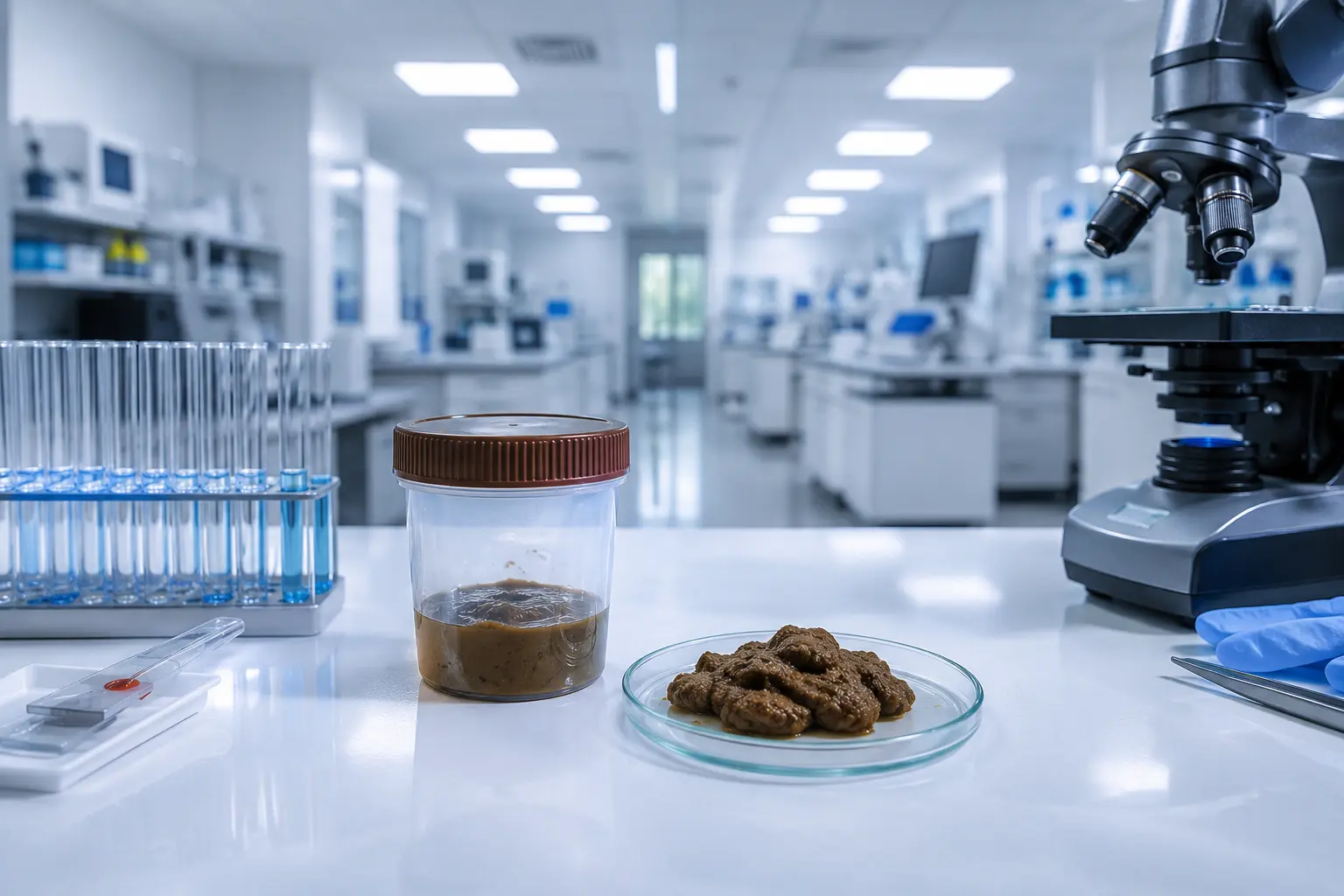
A Stool Test, also referred to as a routine fecal analysis, is a fundamental diagnostic evaluation designed to investigate the physical, chemical, and microscopic characteristics of your stool. Because the gastrointestinal tract is entirely responsible for digesting food, absorbing critical nutrients, and excreting waste, changes in stool composition provide key insights into your digestive health. Specifically, by utilizing advanced automated biochemical testing and high-resolution digital microscopy, our laboratory evaluates fecal biomarkers with exceptional precision to identify underlying digestive tissue irritation, hidden bleeding, or microscopic parasite infections.
Furthermore, because structural conditions like gastrointestinal bleeding, occult infections, and inflammatory bowel changes can progress quietly without causing obvious early warning signs, routine stool analysis plays a vital preventative role. The appearance of hidden blood cells, undigested food markers, or active pathogens can signal digestive strain long before severe physical symptoms complicate your health. Consequently, our dedicated diagnostic protocols utilize standardized biochemical tracking and multi-tier pathologist verification checks. As a result, physicians can easily spot early digestive tract issues, guide personalized medical treatments, and protect your long-term gastrointestinal wellness.
What is a Comprehensive Stool Test?
A stool test is a detailed, multi-step laboratory profile that evaluates physical appearance, screens for chemical shifts, and looks for microscopic anomalies excreted by your digestive system. Therefore, precise multi-tiered laboratory analysis allows our pathologists to accurately evaluate digestive efficiency, immune responses, and parasitic presence for a complete clinical health review.
- Physical Characteristics (Color, consistency, and structural mucus content)
- Stool Routine and Microscopic Examination (Checking for pus cells, RBCs, and epithelial cells)
- Fecal Occult Blood Test (FOBT) (Detecting hidden microscopic gastrointestinal bleeding)
- Parasitology Screening (Identifying active ova, cysts, trophozoites, and parasites)
- Chemical Balance Testing (pH levels and reducing substances for sugar absorption check)
- Undigested Food Particles (Checking fat drops, muscle fibers, and starch residues)
- Gastrointestinal Pathogen Cultures (Bacterial, viral, or fungal infection tracking when indicated)

Why is a Stool Test Performed?
Physicians commonly recommend a routine stool test when investigating chronic changes in bowel habits, when checking for unexplained digestive distress, or during routine annual preventive health checkups. Moreover, the analytical findings directly assist gastroenterologists, general physicians, pediatricians, and oncologists in establishing accurate care strategies. Our experienced medical team ensures you receive precise results.
- Routine tracking during annual preventive wellness examinations
- Experiencing persistent diarrhea, chronic constipation, or continuous abdominal cramping
- Investigating unexplained bloating, sudden weight loss, or poor nutrient absorption
- Screening for hidden intestinal bleeding to investigate the root cause of chronic anemia
- Evaluating visible changes in stool color or the appearance of dark, tarry stools
- Checking for active bacterial or parasitic infections following recent travel or eating contaminated food
- Monitoring chronic inflammatory conditions like Crohn’s disease or Ulcerative Colitis
- Routine colorectal risk screening for adults over standard preventative age milestones

The Core Diagnostic Evaluation Stages of Fecal Urinalysis
Physical Macroscopic Assessment
We evaluate the form, color, and presence of mucus or fat in the specimen. Tracking consistency changes helps your physician evaluate rapid intestinal transit times or malabsorption issues in the small intestine.
Chemical Biomarker Screening
Our automated systems test for dissolved markers, specialized pH levels, and reducing sugars. The presence of reducing substances can pinpoint lactose intolerance or carbohydrate malabsorption, while chemical indicators track subtle tissue irritation.
Microscopic Parasitology & Occult Blood Test
Our team examines prepared specimen layers under high-power medical microscopes. Counting red cells, identifying hidden blood proteins, and hunting for active parasite cysts allows us to pinpoint the source of gastrointestinal infections or bleeding.
Conditions Diagnosed and Monitored via Stool Testing
An accurate stool test panel helps clinicians identify, stage, and manage a variety of gastrointestinal, infectious, and metabolic disorders. You can find detailed digestive testing standards from the American Gastroenterological Association guidelines.
- Gastrointestinal Infections (Bacterial dysentery, food poisoning, or viral gastroenteritis)
- Intestinal Parasitism (Amoebiasis, Giardiasis, or helminth worm infestations)
- Gastrointestinal Bleeding (Driven by ulcers, polyps, or early malignant tissue changes)
- Malabsorption Syndromes (Celiac changes, pancreatic insufficiency, or fat malabsorption)
- Inflammatory Bowel Disease (IBD) flare-up monitoring
- Irritable Bowel Syndrome (IBS) clinical differentiation routing
- Lactose Intolerance and carbohydrate processing variances
- Chronic Anemia secondary source tracking
If your fecal analysis reveals complex digestive tracking changes or micro-bleeding indicators, your clinician may suggest cross-referencing your results with other key diagnostic checks. For a detailed breakdown of your body’s oxygen-carrying red blood cells and anemia risks, see our Complete Blood Count (CBC) test services. For complete metabolic and filtering organ evaluations, check out our Liver Function Test services or our Kidney Function Test services. You can also review our general blood test services, evaluate systemic fats with a Lipid Profile test, or see how metabolic systems are monitored using our specialized MRI Pituitary Brain services. If you prefer to complete your routine testing easily without traveling, you can book a certified mobile expert through our professional home blood collection services.
Preparation for a Stool Test
- No fasting is required for a routine stool test; you can eat and drink normally before collection.
- Avoid using mineral oil, antacids, or anti-diarrheal medications for 48 hours before collection unless instructed by your doctor.
- Inform our laboratory staff about all daily medications, antibiotics, or iron supplements you take, as they can alter stool color and chemical readings.
- If your panel includes a Fecal Occult Blood Test (FOBT), your doctor may advise limiting red meat, turnips, and vitamin C supplements for 3 days prior.
- Ensure the collected sample is not contaminated with toilet water or urine, following the collection steps provided by our team.
What to Expect During the Collection and Laboratory Process
- Our professional team provides you with a sterile, barcoded collection container equipped with a built-in spoon tool.
- You will collect the sample at home following our strict contamination avoidance instructions.
- Use the sample spoon to transfer small portions from different areas of the stool into the sterile container.
- Secure the cap tightly and drop the container off at our modern diagnostic center as soon as possible.
- Our automated sorting systems instantly track the barcoded container to ensure sample security.
- Pathologists prepare specialized sample layers and perform dynamic chemical and microscopic examinations.
- The verified diagnostic report is securely reviewed and uploaded directly to your online patient portal.
The physical collection process requires only a few minutes at home, and verified digital pathology reports are delivered rapidly for your convenience.
Frequently Asked Questions
Why is it important to prevent toilet water from touching the stool sample?
Toilet water often contains chemical cleaners, flush additives, and surrounding bacteria. If this water mixes with your sample, it can chemically alter the parameters or add outside bacteria, leading to an incorrect infection reading.
What exactly is a Fecal Occult Blood Test (FOBT)?
“Occult” means hidden from view. A Fecal Occult Blood Test is a highly sensitive chemical check that detects microscopic traces of blood in your stool that are completely invisible to the naked eye, serving as an early indicator of bowel irritation.
Can taking iron supplements alter my stool test results?
Yes. Oral iron supplements can turn stool a dark green or black color, which can mimic the appearance of internal bleeding. It is important to inform our lab staff about any iron supplements you take before processing begins.
How long does it take to receive my verified stool test results?
Routine stool routine and microscopic profiles are completed quickly in our facility, with verified digital reports usually available within 12 to 24 hours. Specialized bacterial culture panels can take 48 to 72 hours.
Why is a laboratory stool test preferred over simply checking physical digestive symptoms?
Ultimately, while symptoms like abdominal discomfort or gas are common, they overlap with many minor issues. Microscopic parasites, chemical absorption levels, and early tissue bleeding are completely invisible to the eye. Precise laboratory profiling is the only way to find the true cause of your symptoms.
Why Our Diagnostics Laboratory is the Premier Choice for Digestive Pathology
Our medical laboratory remains the premier choice for monitoring your gastrointestinal health because we provide exceptionally precise stool evaluations using top-tier automated platforms and skilled microscopy. Furthermore, our clinical workflows eliminate manual handling errors, our quality control protocols align with global pathology standards, and we ensure rapid delivery of your reports so you and your doctor stay fully informed. This steady focus on diagnostic accuracy makes our laboratory a trusted partner in protecting your long-term digestive and metabolic wellness.