Advanced Hormone Testing & Endocrine Panels
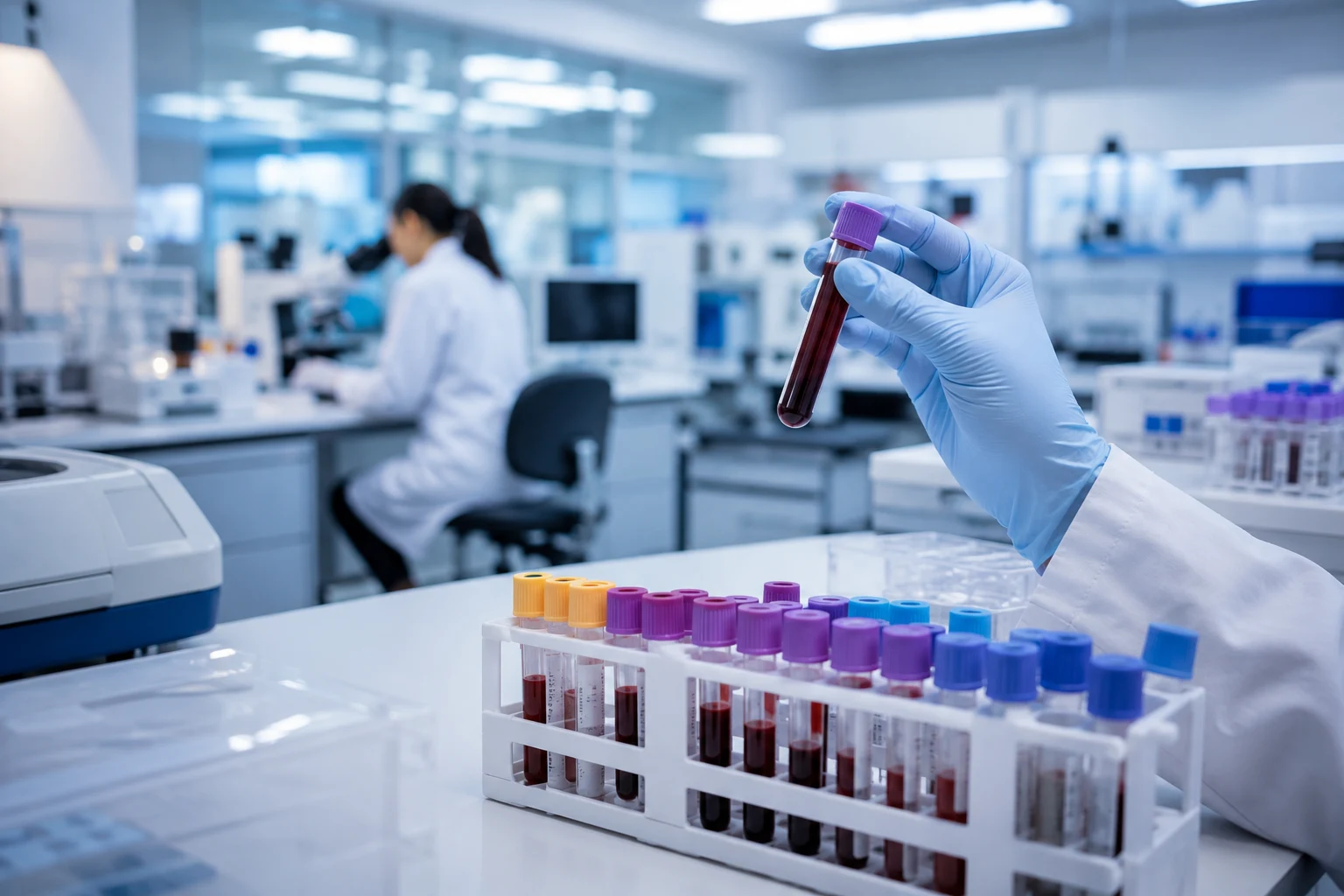
An Advanced Hormone Test, or comprehensive endocrine panel, is a highly specialized group of blood chemistry evaluations designed to measure the absolute concentration of circulating chemical messengers in your body. Because hormones act as the body’s primary signaling system—regulating growth, metabolism, reproduction, stress responses, and sleep cycles—even minor variations can significantly disrupt your physical health. Specifically, by utilizing ultra-precise automated chemiluminescence immunoassay (CLIA) technology, our laboratory evaluates endocrine biomarkers with exceptional precision to diagnose complex hormonal imbalances.
Furthermore, because the endocrine system involves a delicate feedback loop managed by master glands like the pituitary, thyroid, and adrenals, a single targeted look often provides the baseline numbers your doctor needs to map out a treatment plan. A progressive hormonal variation can develop quietly, presenting as vague, generalized issues before a clear clinical disorder emerges. Consequently, our dedicated protocols utilize strict internal quality controls and highly sensitive clinical calibration methods. As a result, physicians easily identify subclinical glandular irregularities, guide targeted bioidentical therapies, and restore your baseline vital wellness.
What is a Comprehensive Hormone Test Panel?
A hormone test is a detailed multi-departmental blood check that evaluates key chemical regulators produced by endocrine organs. Therefore, precise laboratory analysis allows our pathologists to accurately track total, bound, and unbound hormone levels for a complete clinical systemic health assessment.
- Thyroid Assays (TSH, Free T3, Free T4)
- Reproductive and Fertility Hormones (LH, FSH, Prolactin)
- Steroid and Estrogenic Profiles (Estradiol, Progesterone, Testosterone)
- Adrenal Stress Biomarkers (Cortisol and DHEA-S)
- Metabolic Regulators (Fasting Insulin and Growth Hormone)
- Metabolic and Vitamin balances (Vitamin D3 and B12 indicators)

Why is a Hormone Test Performed?
Physicians commonly recommend a comprehensive hormone test when investigating unexplained shifts in mood, weight, or energy, during family planning evaluations, or during routine annual preventive checks. Moreover, the results directly assist endocrinologists, gynecologists, urologists, fertility experts, and general practitioners in establishing accurate care strategies. Our experienced medical team ensures you receive precise results.
- Routine tracking during annual preventive wellness examinations
- Unexplained, rapid fluctuations in body weight or loss of muscle mass
- Chronic fatigue, sleep disturbances, low stamina, and sudden mood shifts
- Investigating irregular menstrual cycles, severe cramping, or atypical hair growth
- Evaluating the root biological causes of infertility or recurrent miscarriages
- Assessing symptoms of low testosterone, reduced libido, or erectile dysfunction
- Investigating chronic stress, anxiety, or suspected adrenal gland fatigue
- Monitoring the safety and success of ongoing hormone replacement therapies
- Evaluating developmental tracking or early puberty indicators in pediatric care

Key Endocrine Systems Evaluated During Hormone Testing
Pituitary Master Signaling
We measure essential regulatory hormones like TSH, LH, and FSH. These indicators show whether your brain is accurately directing your target organs to produce their necessary hormone outputs.
Reproductive & Steroid Pathways
Our team evaluates estrogen, progesterone, and testosterone levels. Checking these balances helps identify conditions related to reproductive health, bone health, and overall vitality.
Adrenal & Cortisol Response
The analyzer tracks cortisol levels to monitor your body’s response to physical and emotional stress, helping clinicians rule out adrenal exhaustion or regulatory imbalances.
Metabolic & Glandular Clearances
We check circulating fasting insulin alongside thyroid hormones to see how effectively your cells process sugars and convert nutrients into daily energy.
Conditions Diagnosed and Monitored via Hormone Testing
An accurate hormone test panel helps clinicians identify, stage, and manage a wide variety of metabolic, reproductive, and glandular disorders. You can find detailed clinical endocrine guidelines from the Endocrine Society clinical standards.
- Polycystic Ovary Syndrome (PCOS) and insulin resistance combinations
- Hypothyroidism and Hyperthyroidism (Metabolic thyroid conditions)
- Hypogonadism (Low testosterone or ovarian insufficiency states)
- Hyperprolactinemia (Pituitary-driven hormonal variations)
- Adrenal Disorders (Cushing’s disease or Addison’s baseline evaluations)
- Subclinical endocrine shifts affecting fertility and family planning
- Menopause and Perimenopause hormonal baseline milestones
- Growth hormone processing conditions
If your hormone panel reveals complex glandular or metabolic changes, your physician may suggest matching your results with other key diagnostic checks. For a detailed look at how your hormone levels alter sugar metabolism, check out our Diabetes Test services or our targeted HbA1c test services. For complete organ processing evaluations, check out our Liver Function Test services or our Kidney Function Test services. You can also explore our general blood test services, verify cell counts with a comprehensive Complete Blood Count (CBC) test, check essential fats with a Lipid Profile test, or see how the master pituitary gland is structurally monitored via our specialized MRI Pituitary Brain services. If you prefer to have your blood sample drawn comfortably at home without traveling, you can book a certified mobile expert through our professional home blood collection services.
Preparation for a Hormone Test
- Fasting for 8 to 12 hours before your morning blood draw is highly recommended for accurate insulin, growth hormone, and cortisol readings.
- Drink plenty of plain water during your fast to remain well-hydrated, which helps make finding a vein easier.
- Inform our laboratory staff about all daily medications, antibiotics, or herbal supplements you take.
- Avoid taking high doses of Biotin (Vitamin B7) or complex B vitamins for 48 hours before collection, as they can alter immunoassay readings.
- For reproductive hormone panels, coordinate the date of your collection appointment with your menstrual cycle as requested by your doctor.
- Schedule your collection early in the morning, as cortisol and testosterone levels naturally peak during early hours.
What Happens During the Sample Collection?
- Our professional phlebotomist seats you comfortably in our modern collection suite.
- A soft band is placed around your upper arm to help make the collection vein clearly visible.
- The skin over the selected site is thoroughly cleaned using a sterile antiseptic wipe.
- We draw your blood sample quickly and smoothly using an advanced, single-use vacuum collection system.
- The needle is carefully removed, and a gentle compression pad is pressed over the site to stop bleeding.
- A protective bandage is applied, and your sample tube is instantly barcoded for security.
- The sample is transferred directly to our automated immunoassay systems for rapid processing.
The blood drawing sequence is highly efficient, typically taking less than 3 minutes to safely complete.
Frequently Asked Questions
Why is the time of day important for scheduling a hormone test?
Many hormones, like cortisol and testosterone, follow a strict circadian rhythm, meaning their levels peak early in the morning and drop as the day goes on. Collecting your sample between 7:00 AM and 9:00 AM ensures your results align with standard clinical reference ranges.
Can birth control pills alter my hormone profile results?
Yes. Oral contraceptives and hormone replacement therapies introduce synthetic hormones into your system, which suppresses your body’s natural signaling loops. It is vital to tell our lab staff about any hormone-based medications you take before collection begins.
What role does the pituitary gland play in my hormone test results?
The pituitary gland acts as the body’s master controller, releasing signaling hormones like TSH, LH, and FSH to command other organs. Testing these signaling hormones helps your doctor determine if a chemical imbalance starts in the brain or within the target gland itself.
How long does it take to receive my verified hormone test results?
Our fully automated immunoassay facility processes serum endocrine panels efficiently, with verified digital reports usually available within 12 to 24 hours of sample collection.
Why is a blood test preferred over checking symptoms for a hormone imbalance?
Ultimately, hormone imbalance symptoms like fatigue, weight changes, or mood swings are very common and mimic many other health issues. A precise blood test is the only definitive way to measure your actual hormone concentrations and uncover the true cause of your symptoms.
Why Our Diagnostics Laboratory is the Premier Choice for Endocrine Testing
Our medical laboratory remains the premier choice for monitoring your hormonal health because we provide exceptionally precise endocrine measurements using top-tier automated testing platforms. Furthermore, our clinical workflows eliminate human error, our quality control protocols align with global pathology standards, and we ensure rapid delivery of your reports so you and your doctor stay fully informed. This steady focus on diagnostic accuracy makes our laboratory a trusted partner in protecting your long-term metabolic and endocrine wellness.