Routine Urine Testing & Advanced Urinalysis
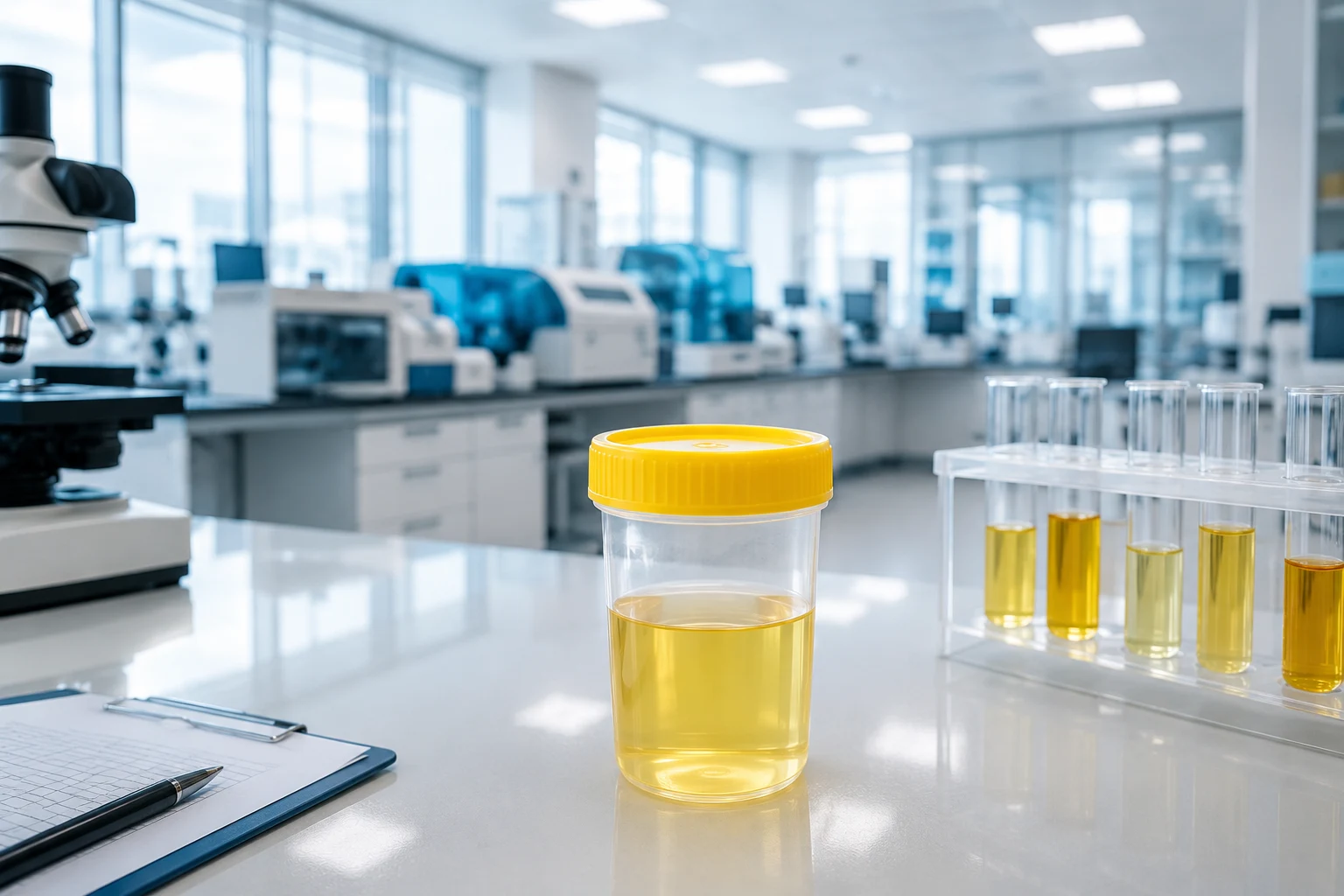
A Urine Test, clinically referred to as a urinalysis, is a fundamental diagnostic evaluation designed to analyze the physical, chemical, and microscopic properties of your urine. Because the kidneys filter waste directly from your bloodstream, urine composition reflects the real-time state of your renal system, metabolic function, and fluid balance. Specifically, by utilizing advanced automated urine chemistry analyzers and high-resolution digital microscopy, our laboratory evaluates urine biomarkers with exceptional precision to identify underlying tissue damage, metabolic variances, or localized infections.
Furthermore, because conditions like early kidney disease, urinary tract infections, and diabetes can progress quietly without showing clear outward signs, routine urinalysis plays an important preventative role. A minor chemical leak or the appearance of microscopic cells can signal systemic stress long before physical symptoms develop. Consequently, our dedicated diagnostic protocols utilize standardized strip readers and multi-tier microscopic confirmation checks. As a result, physicians can easily spot early urinary tract issues, manage chronic metabolic diseases, and establish a highly accurate baseline for long-term physiological wellness.
What is a Comprehensive Urine Test?
A urine test is a detailed multi-step medical profile that checks for waste products, cellular elements, and chemical indicators excreted by your body. Therefore, precise multi-tiered laboratory analysis allows our pathologists to accurately evaluate physical appearance, chemical balances, and microscopic sediments for a complete health assessment.
- Physical Characteristics (Color, clarity, and specific gravity)
- Chemical Screening (pH levels, protein, glucose, and ketones)
- Biliary Markers (Bilirubin and urobilinogen)
- Immune and Infection Indicators (Leukocyte esterase and nitrites)
- Microscopic Sediment Analysis (Red blood cells, white blood cells, and epithelial cells)
- Crystalline Formations (Calcium oxalate, uric acid, and triple phosphate crystals)
- Casts and Cellular Aggregates (Granular, hyaline, and cellular casts)

Why is a Urine Test Performed?
Physicians commonly recommend a routine urine test during regular medical health checkups, when investigating painful or frequent urination, or when tracking chronic metabolic disorders. Moreover, the analytical findings directly assist nephrologists, urologists, endocrinologists, and general practitioners in establishing accurate preventive strategies. Our experienced medical team ensures you receive precise results.
- Routine screening during annual preventive wellness examinations
- Experiencing classic symptoms of infection like painful, burning, or urgent urination
- Investigating cloudy, unusually dark, or strong-smelling urine
- Evaluating visible red tints or suspected blood in the urine (Hematuria)
- Routine tracking for individuals diagnosed with Diabetes or Hypertension
- Monitoring kidney wellness during regular prenatal and gestational checkups
- Investigating deep flank pain or lower back discomfort near the rib cage
- Pre-operative health profiling to rule out active asymptomatic infections before surgery
- Monitoring the long-term effectiveness of treatments for chronic bladder or kidney stone issues

The Three Core Evaluation Stages of Urinalysis
Physical Examination
We evaluate the color, clarity, and concentration of the specimen. Tracking specific gravity shows your physician how effectively your kidneys balance fluids and manage hydration levels.
Chemical Dipstick Analysis
Our automated systems test for a variety of dissolved substances. The presence of glucose can indicate untreated diabetes, leaking protein can signal early kidney damage, and positive nitrites point to bacterial growth.
Microscopic Sediment Analysis
If chemical changes are detected, our team examines the sample under a high-power medical microscope. Counting red cells, white cells, casts, and crystals helps identify the exact source of cellular irritation or stone risks.
Conditions Diagnosed and Monitored via Urine Testing
An accurate urine test helps clinicians identify, stage, and manage a wide variety of renal, metabolic, and systemic disorders. You can find detailed clinical testing guidelines from the National Kidney Foundation standards.
- Urinary Tract Infections (UTIs) (Bladder and kidney bacterial infections)
- Early Kidney Damage (Proteinuria or albumin leaks)
- Glomerulonephritis and Nephrotic Syndrome
- Glycosuria (Excessive sugar excretion indicating suspected Diabetes)
- Renal Calculi (Identifying the type of crystal precipitation behind kidney stones)
- Ketoacidosis risk tracking (via accumulated ketone bodies)
- Hepatic or biliary pathway problems (indicated by elevated urine bilirubin)
- Hematuria (Internal micro-bleeding tracking)
If your urinalysis reveals complex cellular variations or chemical leaks, your physician may recommend matching your profile with other advanced diagnostic evaluations. For a comprehensive check of your body’s filtering organs using blood indicators, check out our Kidney Function Test services or our Liver Function Test services. You can also evaluate your glucose trends over time with an advanced HbA1c test, review your comprehensive blood test services, check your cell counts with a Complete Blood Count (CBC) test, or see how underlying neuroendocrine pathways are structurally monitored via our specialized MRI Pituitary Brain services. If you prefer to have your routine samples picked up from your home without traveling, you can book a certified professional through our home blood collection services.
Preparation for a Urine Test
- No fasting is required for a standalone urine test; you can eat and drink normally before collection.
- Drink a normal, healthy amount of plain water before your test to ensure you can provide an adequate sample.
- Avoid drinking excessive amounts of water right before collection, as over-hydrating can dilute the urine and mask subtle abnormalities.
- Inform our laboratory staff about all daily medications, antibiotics, or vitamins you take, as compounds like Vitamin C can affect chemical readings.
- For the most accurate results, use the “mid-stream clean catch” technique as instructed by our medical staff to avoid outside contamination.
What to Expect During the Sample Collection Process
- Our professional team provides you with a sterile, barcoded collection cup in our modern diagnostic center.
- You will be directed to our designated private restroom facility for collection.
- Clean the surrounding skin using the provided sanitary wipe to ensure a clean sample.
- Begin urinating into the toilet, then bring the collection cup into the stream to gather the middle portion of the urine.
- Secure the cap tightly onto the container and place it in the designated laboratory deposit area.
- Our automated systems instantly track the barcoded tube and perform the initial chemical screening.
- Senior pathologists perform dynamic microscopic checks on any abnormal samples before releasing the final report.
The collection process requires only a few minutes, and verified digital reports are processed rapidly for your convenience.
Frequently Asked Questions
What exactly is a “mid-stream clean catch” urine sample?
A mid-stream sample means you collect the middle portion of your urine stream in the sterile cup, rather than the very beginning or end. This step is important because it prevents bacteria from the surrounding skin from washing into the cup and causing an incorrect infection reading.
Can a urine test show if I am properly hydrated?
Yes. The specific gravity parameter in your report measures the concentration of your urine. A high specific gravity indicates your urine is dense and concentrated, which is a common sign that you need to drink more plain water.
What does it mean if protein is found in my urine test?
Healthy kidneys do not let large protein molecules pass into the urine. Finding small traces of protein can happen temporarily due to intense exercise, dehydration, or fever, but persistent protein leaks are an early sign of kidney strain that should be checked by a doctor.
How long does it take to get my verified urinalysis results?
Our fully automated diagnostic facility processes urine chemistry and sediment profiles efficiently, with verified digital reports usually available within 12 to 24 hours of sample collection.
Why is a laboratory urine test preferred over home visual checks?
Ultimately, while you might notice changes in color or clarity at home, severe kidney changes, microscopic red blood cells, early bacterial growth, and chemical elevations are completely invisible to the naked eye. Advanced laboratory testing is the only way to measure these hidden markers accurately.
Why Our Diagnostics Laboratory is the Premier Choice for Urinalysis Screening
Our medical laboratory remains the premier choice for monitoring your physiological health because we provide exceptionally precise urine evaluations using top-tier automated testing platforms. Furthermore, our clinical workflows eliminate manual handling errors, our quality control protocols align with global pathology standards, and we ensure rapid delivery of your reports so you and your doctor stay fully informed. This steady focus on diagnostic accuracy makes our laboratory a trusted partner in protecting your long-term renal and metabolic wellness.