Advanced Tumor Marker Testing & Oncology Panels
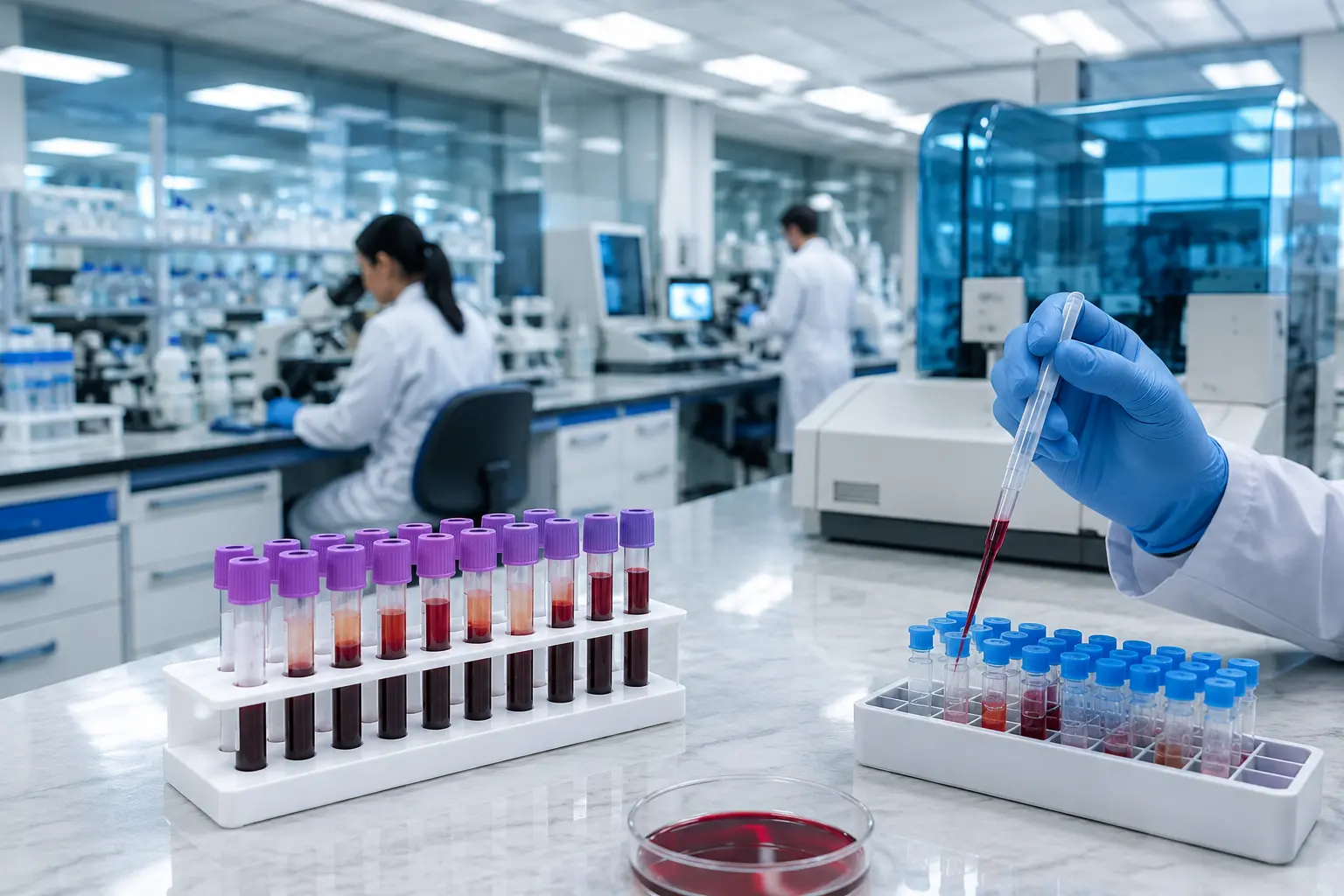
An Advanced Tumor Marker Test, or clinical oncology biomarker profile, is a highly specialized blood check designed to measure specific proteins, enzymes, or antigenic substances produced either by cancer cells themselves or by the body in response to abnormal tissue changes. While these markers are rarely used entirely on their own to diagnose cancer, they provide vital clinical evidence that helps physicians screen high-risk individuals, determine therapeutic options, track the success of surgeries, and detect recurrent disease early. Specifically, by utilizing ultra-sensitive automated chemiluminescence immunoassay (CLIA) technology, our laboratory evaluates these tracking markers with exceptional diagnostic clarity.
Furthermore, because neoplastic tissue developments alter body chemistry long before changes are visible on routine physical screens or macro-level imaging, monitoring specific markers offers an invaluable window into your cellular health. Consequently, our dedicated diagnostic protocols use strict internal calibrations, standardized controls, and expert pathology validation checks to ensure highly reproducible readings. As a result, oncology and surgical teams easily evaluate clinical baselines, monitor ongoing therapies, and create highly customized care strategies to support your long-term health.
What is a Tumor Marker Panel?
A tumor marker test is a comprehensive pathology profile that monitors cellular tracking markers circulating in your blood serum. Therefore, precise multiplanar laboratory analysis allows our pathologists to accurately track cellular changes, measuring slight shifts in concentration over time for a complete clinical health review.
- Prostate-Specific Antigen (PSA / Free & Total) (For prostate health evaluation)
- Cancer Antigen 125 (CA-125) (For ovarian and pelvic tissue tracking)
- Carcinoembryonic Antigen (CEA) (For colorectal, lung, and gastrointestinal tracking)
- Alpha-Fetoprotein (AFP) (For liver and germ cell surveillance)
- Cancer Antigen 19-9 (CA 19-9) (For pancreatic and biliary screening)
- Beta-2 Microglobulin (B2M) (For hematological and bone marrow profiling)
- Cancer Antigen 15-3 (CA 15-3) (For breast tissue follow-up tracking)

Why is a Tumor Marker Test Performed?
Physicians recommend advanced tumor marker tests to establish baseline health levels before treatments begin, check how well cancer treatments are working, or closely watch for early signs of recurrence during post-treatment surveillance. Moreover, the findings directly assist oncologists, surgeons, hematologists, and general practitioners in building accurate care pathways. Our experienced medical team ensures you receive precise results.
- Routine tracking during preventative health surveillance for high-risk individuals
- Checking how effectively a tumor has responded to chemotherapy, radiation, or surgery
- Long-term post-therapy monitoring to catch any signs of tissue recurrence early
- Differentiating between benign conditions and potential malignancies in suspicious tissue changes
- Evaluating the risk of structural spread (metastasis) to surrounding areas
- Investigating unexplained abnormalities found during routine imaging scans
- Assessing cancer cell burden and staging complex chronic conditions
- Screening individuals with a strong hereditary family history of specific oncological conditions

Key Oncological Biomarkers Tracked During Testing
Prostate-Specific Antigen (PSA)
We measure total and free PSA levels, which are proteins produced by prostate tissue. Tracking this is the gold standard for monitoring prostate health and screening for tissue changes early.
Cancer Antigens (CA-125 & CA 19-9)
Our team tracks specialized surface antigens. Elevated numbers help doctors evaluate tissue responses in pelvic organs or investigate digestive system health in depth.
Carcinoembryonic Antigen (CEA)
The analyzer checks CEA concentrations, a common protein marker found across multiple organs. It serves as an excellent tracking indicator for measuring treatment success in colorectal and lung therapies.
Alpha-Fetoprotein (AFP)
We evaluate circulating AFP levels. This helps clinicians check cell integrity in the liver and monitors changes related to tissue regeneration or cellular anomalies.
Clinical Applications and Surveillance Fields
An accurate tumor marker test panel helps clinicians identify, track, and manage a wide variety of neoplastic and cell-altering conditions. You can read more about standard oncology testing guidelines from the National Cancer Institute clinical standards.
- Prostate tissue health and benign prostatic hyperplasia (BPH) monitoring
- Ovarian, uterine, and pelvic cavity tissue tracking
- Colorectal and gastrointestinal tissue surveillance
- Hepatic (liver) cellular integrity tracking
- Pancreatic and biliary duct chronic surveillance
- Breast tissue health post-therapy monitoring
- Hematological and plasma cell health tracking
- Evaluating genetic risk baselines across systemic cell lines
If your biomarker panel reveals complex cell changes or chemical elevations, your physician may suggest matching your profile with other advanced diagnostic checks. For a detailed breakdown of your overall blood cell counts and cell structural characteristics, look over our Complete Blood Count (CBC) test services. For complete organ filtration checks, see our Liver Function Test services or our Kidney Function Test services. You can also explore our general blood test services, check your blood sugars with an advanced HbA1c test, review metabolic fats with a Lipid Profile test, or see how structural master glands are mapped via our specialized MRI Pituitary Brain services. If you prefer to have your blood drawn comfortably at home without traveling, you can book a certified mobile expert through our professional home blood collection services.
Preparation for a Tumor Marker Test
- Fasting for 8 to 12 hours is typically recommended if your oncology biomarkers are combined with broader chemical or metabolic blood checks.
- Drink plenty of plain water before your appointment to stay well-hydrated, which helps make the collection draw smooth and efficient.
- Inform our laboratory staff about all daily medications, antibiotics, or herbal supplements you take.
- Avoid undergoing digital rectal examinations (DRE) or strenuous bicycle riding for 48 hours prior to a PSA blood draw, as physical pressure can cause temporary spikes.
- Avoid taking high doses of Biotin (Vitamin B7) supplements for 48 hours before collection, as they can alter immunoassay readings.
What Happens During the Sample Collection?
- Our professional phlebotomist seats you comfortably in our modern collection suite.
- A soft band is placed around your upper arm to help make the collection vein clearly visible.
- The skin over the selected site is thoroughly cleaned using a sterile antiseptic wipe.
- We draw your blood sample quickly and smoothly using an advanced, single-use vacuum collection system.
- The needle is carefully removed, and a gentle compression pad is pressed over the site to stop bleeding.
- A protective bandage is applied, and your sample tube is instantly barcoded for security.
- The sample is transferred directly to our automated immunoassay systems for rapid processing.
The blood drawing sequence is highly efficient, typically taking less than 3 minutes to safely complete.
Frequently Asked Questions
Can a non-cancerous condition cause a tumor marker to rise?
Yes. Many tumor markers can rise due to benign issues like inflammation, infections, or benign tissue growths. For example, a minor liver infection can raise AFP levels, or a prostate infection can raise PSA numbers, which is why your doctor will review these results alongside imaging scans.
Are tumor marker tests used to diagnose cancer on their own?
No. Tumor marker tests are rarely used on their own to diagnose cancer. Instead, they serve as excellent tracking indicators that work alongside diagnostic imaging, physical symptoms, and tissue biopsies to give your doctor a complete, accurate picture.
What is the difference between a Total PSA and a Free PSA test?
Total PSA measures all the prostate-specific antigen in your blood, while Free PSA measures only the unbound portion. Comparing the ratio between the two helps your doctor differentiate between benign prostate growth (BPH) and other tissue changes more accurately.
How long does it take to receive my verified oncology panel results?
Our fully automated immunoassay facility processes serum panels efficiently, with detailed, verified digital reports usually available within 24 hours of your sample collection.
Why is a laboratory blood test preferred over waiting for physical symptoms to appear?
Ultimately, many cellular tissue changes develop quietly over several months without causing any noticeable physical warnings. High-precision laboratory blood screening allows doctors to catch and trace abnormal biochemical changes early, enabling much faster medical care.
Why Our Diagnostics Laboratory is the Premier Choice for Oncology Biomarkers
Our medical laboratory remains the premier choice for monitoring your cellular health because we provide exceptionally precise tumor marker measurements using top-tier automated testing platforms. Furthermore, our clinical workflows eliminate human error, our quality control protocols align with global pathology standards, and we ensure rapid delivery of your reports so you and your doctor stay fully informed. This steady focus on diagnostic accuracy makes our laboratory a trusted partner in protecting your long-term health and cellular wellness.