Vitamin D Test (25-Hydroxyvitamin D)
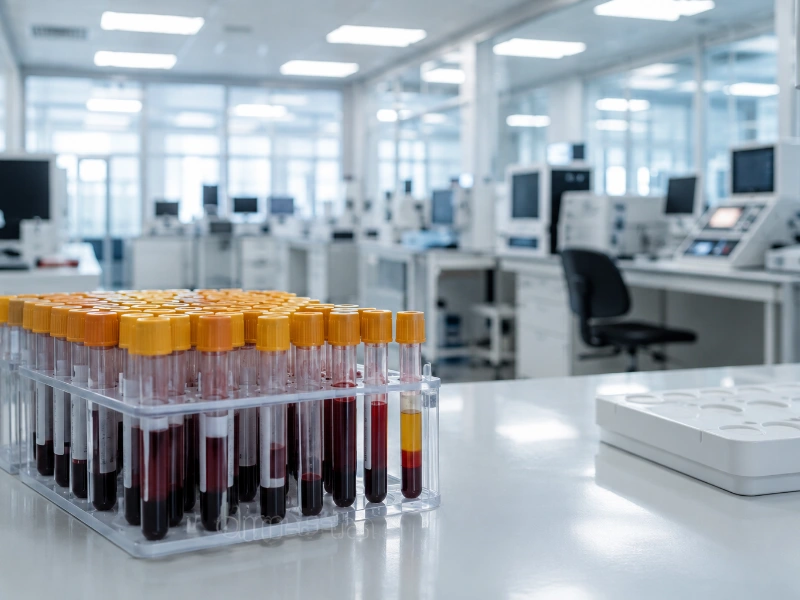
A Vitamin D Test, clinically known as a 25-hydroxyvitamin D [25(OH)D] blood test, is a specialized nutritional chemistry evaluation designed to measure the total concentration of Vitamin D circulating in your body. Because Vitamin D functions more like a structural hormone than a simple nutrient, it controls vital cellular processes across multiple systems. Specifically, by utilizing advanced automated chemiluminescence immunoassay technology, our laboratory evaluates your vitamin levels with exceptional accuracy to identify hidden deficiencies or toxicities.
Furthermore, because Vitamin D plays a fundamental role in bone density, calcium absorption, immune system regulation, muscle strength, and mood management, keeping your levels balanced is critical. A significant deficiency can progress silently for years without causing obvious signs, gradually weakening skeletal networks. Consequently, our dedicated diagnostic protocols utilize standardized calibration methods to ensure highly reproducible readings. As a result, physicians can easily spot early deficiencies, guide safe supplement dosing, and protect your long-term skeletal and immune health.
What is a Vitamin D Test?
A Vitamin D test is a diagnostic blood panel that measures the primary circulating form of Vitamin D, which includes both Vitamin D2 (from food and supplements) and Vitamin D3 (produced naturally from sun exposure). Therefore, high-precision laboratory analysis allows our pathologists to calculate your absolute serum levels, translating these numbers into a clear, clinical reference framework.
- 25-Hydroxyvitamin D Total [25(OH)D]
- Vitamin D2 (Ergocalciferol) fractions
- Vitamin D3 (Cholecalciferol) fractions
- Serum Calcium balance cross-references

Why is a Vitamin D Test Performed?
Physicians commonly recommend a Vitamin D test during routine preventative health checks, when evaluating chronic bone or muscle discomfort, or when managing conditions like osteoporosis that cause structural tissue changes. Moreover, the analytical results directly assist endocrinologists, orthopedicians, rheumatologists, and general practitioners in establishing accurate preventive strategies. Our experienced medical team ensures you receive precise results.
- Routine checking during annual wellness physical examinations
- Experiencing ongoing bone aches, joint stiffness, or persistent muscle weakness
- Investigating chronic fatigue, low energy levels, or sudden mood changes
- Monitoring individuals diagnosed with Osteopenia or Osteoporosis
- Evaluating risks in individuals with limited sun exposure or indoor lifestyles
- Checking for nutritional malabsorption issues caused by Celiac or Crohn’s disease
- Determining baseline safety levels before starting high-dose bone therapies
- Tracking the exact progress and safety of prescribed Vitamin D supplements
- Investigating frequent, recurring infections that indicate reduced immune defense

Key Parameters Mapped During a Vitamin D Panel
Total 25-Hydroxyvitamin D
We measure the total amount of 25-hydroxyvitamin D circulating in your blood. This is the most stable and reliable biomarker for determining whether your body has an adequate supply of the vitamin.
D2 and D3 Fractional Contexts
Our analyzer software can differentiate between the D2 form derived from dietary fortification and the D3 form gathered from sunlight or supplements, showing exactly where your body absorbs its nutrients.
Mineral Absorption Alignment
We review your vitamin levels alongside essential minerals. Because Vitamin D directly controls how well your body absorbs calcium and phosphorus in the gut, tracking these metrics helps give a complete look at your bone health.
Clinical Status Classifications for Vitamin D Levels
An accurate Vitamin D test panel helps clinicians identify, stage, and treat different levels of nutritional deficiency. You can find detailed structural health guidelines from the Endocrine Society clinical standards.
- Severe Vitamin D Deficiency (Serum levels below 20 ng/mL)
- Vitamin D Insufficiency (Serum levels between 21 ng/mL and 29 ng/mL)
- Sufficient Vitamin D Status (Healthy target range between 30 ng/mL and 100 ng/mL)
- Potential Vitamin D Toxicity (Abnormally high levels above 100 ng/mL)
- Secondary Hyperparathyroidism monitoring
- Renal Osteodystrophy surveillance
If your vitamin panel reveals complex nutritional or metabolic shifts, your clinician may suggest matching your results with other key diagnostic checks. For a detailed look at how your metabolic health balances, see our Lipid Profile test services. For complete whole-blood counts, look over our Complete Blood Count (CBC) test services. You can also review our general blood test services, check your kidney filtration indices with a Kidney Function Test, track long-term glucose with an HbA1c test, or see how structural master glands are mapped via our specialized MRI Pituitary Brain services. If you prefer to have your blood drawn comfortably without leaving home, you can easily book a certified professional through our home blood collection services.
Preparation for a Vitamin D Test
- Fasting is typically not required for a standalone Vitamin D test; you can eat and drink normally before collection.
- Drink plenty of plain water before your appointment to stay well-hydrated, which helps make finding a vein easier.
- Inform our laboratory staff about all daily medications, antibiotics, or herbal supplements you take.
- Let our team know if you take regular Vitamin D supplements, and ask your doctor if you should take your dose before or after the test.
- Avoid taking high doses of Biotin (Vitamin B7) supplements for 48 hours before collection, as they can alter immunoassay readings.
What Happens During the Sample Collection?
- Our professional phlebotomist seats you comfortably in our modern collection suite.
- A soft band is placed around your upper arm to help make the collection vein clearly visible.
- The skin over the selected site is thoroughly cleaned using a sterile antiseptic wipe.
- We draw your blood sample quickly and smoothly using an advanced, single-use vacuum collection system.
- The needle is carefully removed, and a gentle compression pad is pressed over the site to stop bleeding.
- A protective bandage is applied, and your sample tube is instantly barcoded for security.
- The sample is transferred directly to our automated chemistry analyzer systems for rapid processing.
The blood drawing sequence is highly efficient, typically taking less than 3 minutes to safely complete.
Frequently Asked Questions
Do I need to fast before a Vitamin D blood test?
No. A standalone Vitamin D test does not require fasting. You can eat and drink normally before your sample is collected. However, if your doctor has combined it with other checks like fasting glucose or a lipid panel, you will need to fast for 8 to 12 hours.
Can I get enough Vitamin D from diet alone?
It is very difficult to get adequate Vitamin D from food alone, as very few foods naturally contain high amounts. Most of our Vitamin D comes from sunlight exposure and supplements, making regular testing key to managing your levels.
What is the difference between Vitamin D Insufficiency and Deficiency?
Vitamin D deficiency means your serum levels have dropped below 20 ng/mL, a level low enough to cause bone weakening or muscle pains. Insufficiency means your levels are between 21-29 ng/mL—not critically low, but still below the optimal range needed for healthy body function.
How long does it take to receive my verified Vitamin D results?
Our fully automated diagnostic facility processes serum chemistry panels efficiently, with verified digital reports usually available within 12 to 24 hours of your sample collection.
Why is a blood test preferred over checking symptoms for a Vitamin D deficiency?
Ultimately, a Vitamin D deficiency is known as a hidden issue because symptoms like fatigue, low mood, or mild muscle aches are common and overlap with many other health conditions. A precise blood test is the only definitive way to measure your actual levels and plan the right treatment.
Why Our Diagnostics Laboratory is the Premier Choice for Nutritional Testing
Our medical laboratory remains the premier choice for monitoring your health because we provide exceptionally precise Vitamin D measurements using top-tier automated testing platforms. Furthermore, our clinical workflows eliminate human error, our quality control protocols align with global pathology standards, and we ensure rapid delivery of your reports so you and your doctor stay fully informed. This steady focus on diagnostic accuracy makes our laboratory a trusted partner in protecting your long-term bone and immune health.