Advanced Pathology & Lab Testing Services
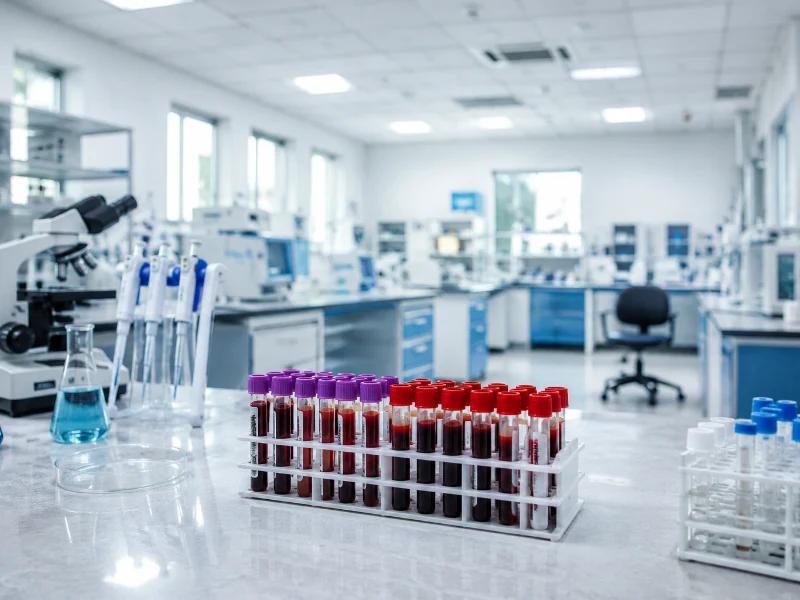
An Advanced Pathology Lab Test is the cornerstone of clinical medicine, providing vital, objective evidence required to prevent, diagnose, monitor, and treat human illnesses. By analyzing bio-fluids, tissue architectures, metabolic enzymes, and genetic markers, laboratory diagnostics reveal hidden physiological trends before they manifest as severe symptoms. Specifically, by leveraging high-throughput automated analyzers and barcoded sample management, our laboratory delivers unparalleled clinical accuracy across thousands of unique diagnostic parameters.
Furthermore, because a vast majority of definitive clinical decisions rely directly on diagnostic data, maintaining an elite standard of laboratory precision is paramount. Consequently, our dedicated lab test processing center operates under stringent internal quality controls and comprehensive external proficiency testing. As a result, physicians receive clear, highly reproducible laboratory reports that enable quick clinical interventions, preventative adjustments, and highly successful patient management strategies.
Comprehensive Lab Test Offerings
Our medical laboratory offers an expansive diagnostic directory, combining routine health monitoring with advanced, molecular-level investigation. Therefore, precise multi-departmental workflow organization ensures your blood, urine, or tissue samples are accurately routed, processed, and validated by expert pathologists.
- Clinical Biochemistry (Glucose, Lipids, Liver & Kidney Profiles)
- Hematology & Coagulation Studies (CBC, ESR, Platelet Metrics, PT/INR)
- Immunology & Serology (Infectious Diseases, Viral Markers, Antibody Panels)
- Endocrinology (Thyroid Panels, Reproductive Hormones, Adrenal Assays)
- Clinical Pathology (Routine Urinalysis, Stool Examinations, Fluid Studies)
- Preventative Health Packages (Full Body Checkups, Executive Screenings)
- Tumor Markers (PSA, CA-125, CEA, Alpha-Fetoprotein)
- Allergy Testing (Total IgE, Environmental & Food Panels)
- Metabolic & Vitamin Screening (Vitamin D3, B12, Active Iron Studies)
- Microbiology & Cultures (Bacterial, Fungal, Antimicrobial Sensitivity)

Why Are Diagnostic Lab Tests Necessary?
Clinicians rely on dedicated lab tests to confirm diagnostic theories, determine optimal therapeutic dosages, assess systemic toxicity, and track the recovery of damaged tissues. Moreover, the analytical results directly assist general practitioners, surgeons, oncologists, gynecologists, and pediatricians in establishing accurate treatments. Our experienced medical team ensures you receive precise results.
- Early detection of hidden asymptomatic chronic diseases
- Establishing vital personal health baselines
- Monitoring the efficacy of ongoing prescriptions
- Pre-operative health clearances before surgical procedures
- Investigating systemic symptoms like unexplained fever or weight loss
- Evaluating occupational health safety and toxic exposure limits
- Tracking hormonal transitions across different life phases
- Managing cardiovascular risk scores and metabolic trends
Primary Diagnostic Lab Test Departments Evaluated
Hematology & Cellular Analysis
We evaluate the complete morphology, count, and health of circulating blood cells to rule out anemia, leukocytosis, immune deficiencies, and hidden bleeding disorders.
Clinical Biochemistry & Organ Panels
Our team measures essential serum enzymes, electrolytes, and metabolic waste products. This allows detailed verification of liver clearances, renal filtration, and glucose management.
Specialized Immunoassay & Hormone Tracking
The lab tracks subtle protein variations and vital hormonal spikes. This aids in diagnosing thyroid dysfunction, adrenal fatigue, and reproductive disruptions.
Microbiological & Serological Screens
We identify pathogenic organisms and track your body’s immune defenses, helping doctors target infections accurately with the right treatments.
Conditions Managed and Monitored via Advanced Lab Testing
Comprehensive laboratory profiling assists in managing thousands of congenital, acute metabolic, inflammatory, and neoplastic conditions. You can read more about standard laboratory testing guidelines from the CDC National Center for Health Statistics.
- Diabetes Mellitus and Pre-diabetic metabolic states
- Primary and Secondary Anemias
- Cardiovascular diseases and Atherosclerotic risks
- Chronic Kidney Disease (CKD) and Acute Renal Injury
- Hepatitis, Cirrhosis, and Gallbladder issues
- Hypothyroidism, Hyperthyroidism, and Goiter risks
- Rheumatoid Arthritis, Lupus, and Autoimmune syndromes
- Acute and Chronic Bacterial, Viral, and Fungal infections
- Electrolyte imbalances, Dehydration, and Acid-Base disorders
- Vitamin, Mineral, and trace element deficiencies
If you want to evaluate specific organ systems with maximum detail, you can explore our highly specialized profiles. For targeted renal filtering parameters, view our Kidney Function Test services. If you require comprehensive chemical and hormonal mapping, check our blood test services, or review our neuroendocrine diagnostic options via our MRI Pituitary Brain services.

Standard Preparation for Pathology Lab Tests
- Fasting for 10 to 12 hours is mandatory for accurate blood sugar and lipid metrics.
- Maintain normal hydration by drinking plenty of plain water before collection.
- Inform our lab team about any regular supplements or medications you take.
- Avoid heavy alcohol consumption, smoking, and caffeine 24 hours prior to sampling.
- Rest comfortably for 10-15 minutes immediately before drawing blood to stabilize vitals.
- Follow specific collection rules given by our staff for home urine or stool samples.
What Happens During the Diagnostic Testing Cycle?
- Your unique demographic data is securely matched with barcoded sample tubes.
- Our professional phlebotomists collect your sample using sterile, single-use vacuum systems.
- The specimen is carefully mixed and transported in temperature-controlled boxes.
- Automated equipment performs precise chemical, cellular, or microscopic readings.
- Advanced laboratory information software checks result values against strict reference data.
- Senior pathologists digitally sign and release the final verified report.
The typical collection phase requires roughly 5 minutes, while analytical processing time ranges from hours to days depending on the complexity of the test.
Frequently Asked Questions
How can I verify if my lab test requires fasting?
Fasting is required for tests measuring glucose, lipids, and certain hormones to avoid food-related spikes. Check your test instructions or ask our staff when booking to be sure.
What are reference ranges in pathology reports?
Reference ranges show the normal value span found in healthy individuals. A result slightly outside these bounds doesn’t always indicate a medical issue, but should be reviewed by your prescribing doctor.
Can I take my regular daily medications before a blood test?
Most routine daily medications can be taken normally. However, for specialized drug monitoring or hormone tests, you may need to delay your dose until after collection. Always check with your doctor first.
Why do different laboratories show minor variation in reference values?
Minor variances happen because different labs use distinct analyzer platforms, chemical reagents, and test methods. This is why you should look at the specific reference range printed directly on your current report.
Why are automated analyzers preferred over manual testing?
Ultimately, fully automated chemistry systems process high sample volumes with exceptional speed, maximize measurement precision, and eliminate human handling errors.
Why Our Advanced Pathology Laboratory is the Ultimate Diagnostic Partner
Our comprehensive diagnostic laboratory remains the trusted choice for complete health tracking because we combine elite medical expertise with cutting-edge testing technology. Furthermore, we handle every sample with absolute precision, maintain top-tier laboratory certifications, provide clear, easy-to-read reports, and ensure fast turnarounds for your peace of mind. This unwavering commitment to accuracy makes our laboratory an essential foundation for your preventative care and medical treatment plans.