Advanced Pathology Testing Services
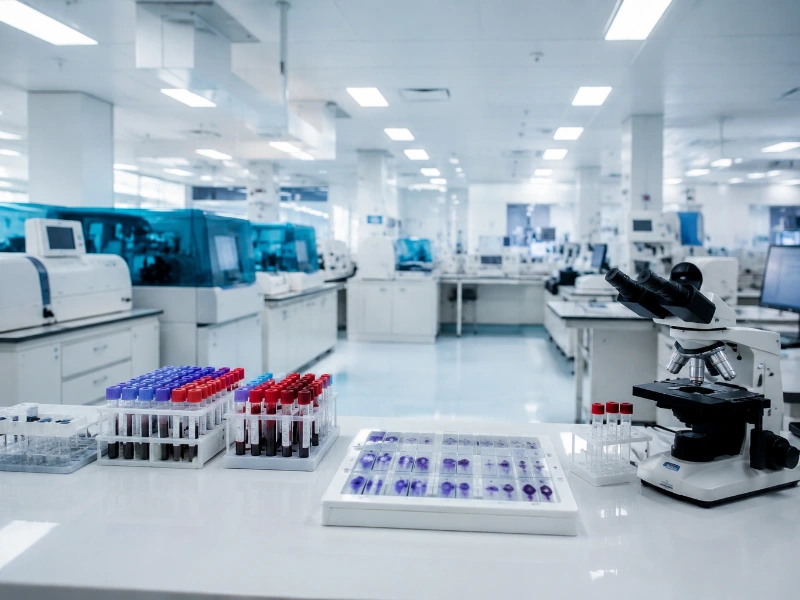
An Advanced Pathology Test is a highly specialized medical investigation focused on the structural, functional, and biochemical changes that occur in cells, tissues, and bio-fluids during disease development. By utilizing state-of-the-art laboratory science, pathology testing bridges basic medical research and active clinical practice, giving physicians the definitive answers required to confirm complex diagnoses. Specifically, by using advanced molecular tools and microscopic evaluation, our laboratory provides unparalleled diagnostic clarity across all major clinical fields.
Furthermore, because diseases alter cellular dynamics and fluid chemistry long before macro-level physical symptoms appear, precise pathological analysis is critical for early detection. Consequently, our dedicated protocols utilize thin fluid processing, automated staining sequences, and multi-tier pathologist reviews. As a result, clinical teams easily identify subtle cellular abnormalities, malignant changes, chronic inflammatory diseases, and metabolic anomalies that might not be visible on standard screening tests.
What is a Clinical Pathology Test?
A clinical pathology test evaluates patient specimens—such as blood, urine, tissue biopsies, or cellular smears—to uncover the root biological cause of medical symptoms. Therefore, detailed multiplanar and microscopic visualization allows our pathologists to accurately evaluate cellular shape, tissue architecture, chemical concentrations, and immune reactions for a comprehensive health assessment.
- Histopathology (Tissue biopsy and tumor margin analysis)
- Cytopathology (Pap smears, FNAC, and fluid cytology)
- Hematopathology (Bone marrow analysis, advanced cell morphology)
- Clinical Chemistry (Enzyme kinetics, protein electrophoresis)
- Molecular Pathology (PCR assays, genetic mutation testing)
- Immunohistochemistry (IHC) (Specific protein mapping in tissue)
- Flow Cytometry (Immune cell typing and leukemia panels)
- Endocrine Assays (Pituitary, thyroid, and adrenal hormone screens)
- Toxicology & Therapeutic Drug Monitoring (TDM)
- Advanced Urinalysis and Sediment Microscopic Profiles

Why is an Advanced Pathology Test Performed?
Physicians recommend advanced pathology tests when they need to verify the exact nature of an illness, stage a tumor, trace chronic inflammation, or check cellular changes over time. Moreover, the findings directly assist oncologists, surgeons, endocrinologists, rheumatologists, and infectious disease specialists in establishing accurate diagnoses and treatment strategies. Our experienced medical team ensures you receive precise results.
- Differentiating between benign and malignant tumors
- Investigating persistent, unexplained swelling or lumps
- Staging cancer progression and tracking treatment success
- Evaluating chronic autoimmune or systemic inflammatory flare-ups
- Identifying the specific pathogen causing antibiotic-resistant infections
- Investigating unexplained abnormalities found during routine blood work
- Pre-operative tissue evaluation for surgical safety planning
- Postoperative surveillance to ensure complete disease clearance
Anatomy and Systems Evaluated During Pathology Testing
Cellular Morphology
We evaluate individual cell structures, nuclear sizes, and cytoplasm characteristics to rule out early cell changes, pre-malignancies, or functional damage.
Tissue Architecture
Our team reviews biopsy samples to check tissue layer alignments, cellular arrangement patterns, and micro-vascular growth patterns.
Bio-Fluid Chemistry
The tests check protein ratios, specialized enzyme markers, and metabolic waste balances across serum, plasma, and fluid samples.
Immune System Activity
We evaluate antibody patterns, cellular defense levels, and reactive proteins to pinpoint current infections or autoimmune reactions.
Conditions Diagnosed Using Advanced Pathology Tests
Comprehensive pathology testing helps diagnose a wide range of neoplastic, metabolic, genetic, inflammatory, and degenerative disorders throughout the body. You can learn more about international laboratory standards from the College of American Pathologists (CAP).
- Carcinomas, Sarcomas, and Melanomas
- Leukemias, Lymphomas, and Myeloproliferative disorders
- Fine Needle Aspiration Cytology (FNAC) verified lesions
- Cervical dysplasia and abnormal cellular changes
- Glomerular renal diseases and interstitial changes
- Autoimmune diseases like Lupus and Rheumatoid Arthritis
- Granulomatous diseases and systemic Sarcoidosis
- Deep-seated mycobacterial and atypical tissue infections
- Metabolic storage disorders and protein malformations
- Congenital and inherited genetic tissue conditions
If you require targeted screenings for specific organ systems, our clinic offers specialized, high-resolution options. For detailed renal filtration profiles, view our Kidney Function Test services. For broader biochemical analysis, view our blood test services, or see how structural changes are mapped in detail via our specialized MRI Pituitary Brain services.

Preparation for an Advanced Pathology Test
- Follow explicit fasting guidelines if your pathology profile includes chemical assays.
- Maintain normal, healthy hydration levels unless your doctor gives specific fluid restrictions.
- Inform our staff about any ongoing hormone treatments or immunosuppressants you take.
- Bring all previous biopsy reports, imaging scans, and clinical notes for comparison.
- Follow specific cleaning steps provided by our team if collecting urine or stool samples at home.
- For tissue biopsies, consult your doctor regarding temporary adjustments to blood thinners.
What Happens During the Pathology Testing Cycle?
- Our technical team ensures proper patient verification and secure barcode matching for your specimen.
- We collect your fluid sample via sterile methods or handle your biopsy tissue with precision fixatives.
- The laboratory processes the specimen using automated tissue embedders or fluid systems.
- We prepare ultra-thin sample slices and use specialized chemical stains to highlight cellular structures.
- Our senior pathologists study the samples under high-magnification medical microscopes.
- We add immunohistochemical or molecular checks when needed to confirm complex details.
- The final verified pathology report is securely uploaded to your medical record.
Processing times vary from a few hours for basic fluid profiles to 3-5 working days for complex tissue samples requiring detailed microscopic staining.
Frequently Asked Questions
What is the main difference between a routine blood test and a pathology test?
A basic blood test measures common chemical levels like glucose or cholesterol. An advanced pathology test analyzes tissue cell structure, looks for disease changes under a microscope, or uses molecular tools to identify the root cause of complex medical conditions.
Why does a tissue biopsy report take a few days to complete?
Tissue samples go through a detailed preparation process: they must be chemically fixed, embedded in wax, cut into ultra-thin layers, stained with specific dyes, and carefully evaluated under a microscope by a pathologist to ensure an accurate diagnosis.
What does a ‘benign’ finding mean in a pathology report?
A benign result means the examined cells or tissues show non-cancerous growth patterns. The cells are not spreading to nearby areas or invading surrounding tissues, which is a reassuring finding.
Can I request a re-evaluation or second opinion on my pathology slides?
Yes. Our laboratory can securely preserve your tissue blocks and slides, allowing you to easily request an internal expert review or gather a second opinion from external specialists if needed.
Why is a pathology test considered the gold standard for cancer diagnosis?
Ultimately, while imaging scans show the size and location of a mass, only an advanced pathology test can look directly at the cell structures to definitively confirm whether cancer cells are present.
Why Our Pathology Laboratory is the Premier Choice for Diagnostic Accuracy
Our pathology laboratory remains the premier choice for complex medical testing because we deliver outstanding diagnostic accuracy. Furthermore, we combine cutting-edge processing technology with a highly experienced team of senior pathologists, maintain rigorous quality control standards, and prioritize rapid turnarounds for time-sensitive results. This deep clinical precision makes our laboratory an indispensable partner in building your personalized treatment plan and ensuring your long-term health.