Long Read Genome Sequencing: Fast & Precise Third-Gen Genomic Test
Clinical Overview & Diagnostic Indications
First of all, Long Read Genome Sequencing (Third-Generation Sequencing / TGS) is the advanced genomic testing method that sequences continuous single DNA strands measuring 10,000 to over 100,000 base pairs in length. Essentially, using PacBio HiFi and Oxford Nanopore platforms, long-read technology resolves complex structural variants, repeat expansion disorders, pseudogene regions, and parent-of-origin haplotype phasing with 99.9% precision. Consequently, medical geneticists diagnose unsolved neurodevelopmental and rare genetic conditions that traditional short-read NGS misses.
Furthermore, book your Third-Generation Sequencing at Henotic Diagnostics for comprehensive diagnostic resolution. In addition, our accredited genomic laboratory operates 24/7 with specialized home sample collection phlebotomy services.
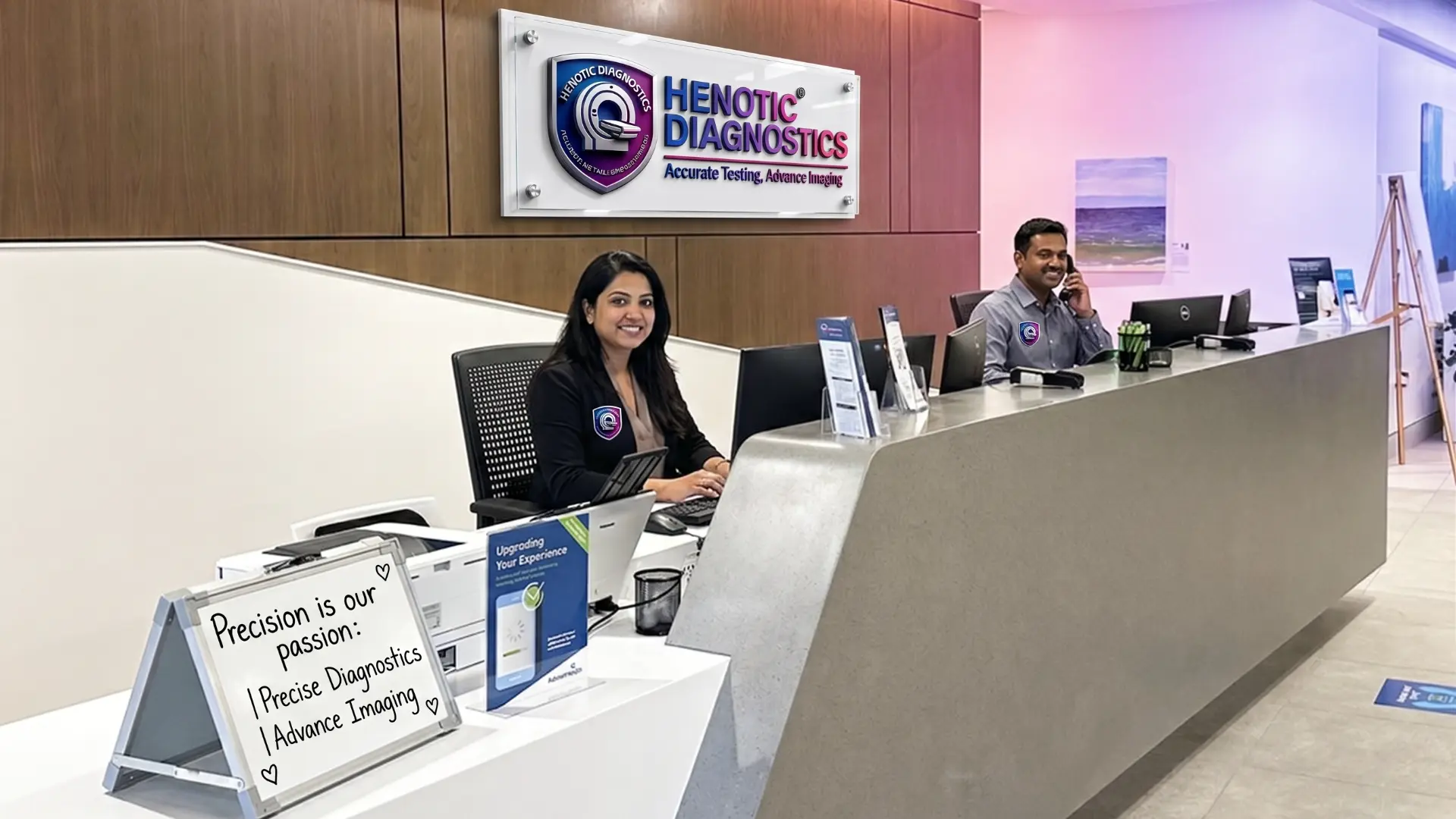
📋 Your Long Read Genome Sequencing at a Glance
| 🔍 Detail | 📋 Info |
|---|---|
| 🩺 Technology | PacBio HiFi & Oxford Nanopore Third-Gen Sequencing (10–100 kb Reads) |
| 🩸 Sample Type | High Molecular Weight (HMW) EDTA Blood / Tissue DNA |
| 💰 Price Range | ₹48,000 – ₹85,000 (All-inclusive diagnostic fee) |
| 📄 Report TAT | 10 to 14 Days (Includes structural variant & haplotype report) |
| 🕐 Availability | 24/7 Operations (Home phlebotomy collection available) |
| 👩⚕️ Specialist | Dr. Pratibha Patil — Chief Consultant Radiologist |
| 🍽️ Fasting | No Fasting Required (Normal diet maintained) |
| 💳 Insurance | Reimbursement Documentation Support provided |
| 🏅 Accreditation | NABL Accredited · ISO Certified · CAP Compliant |
Long Read Genome Sequencing Quality Standards & Certifications
Long Read Genome Sequencing: Overview
To begin with, Third-Generation Sequencing represents the third generation of DNA sequencing technology, capable of reading unbroken genomic fragments tens of thousands of base pairs long. At the same time, experts at Henotic Diagnostics deploy PacBio HiFi and Oxford Nanopore platforms to decipher dark, highly repetitive, and structurally complex genomic regions.
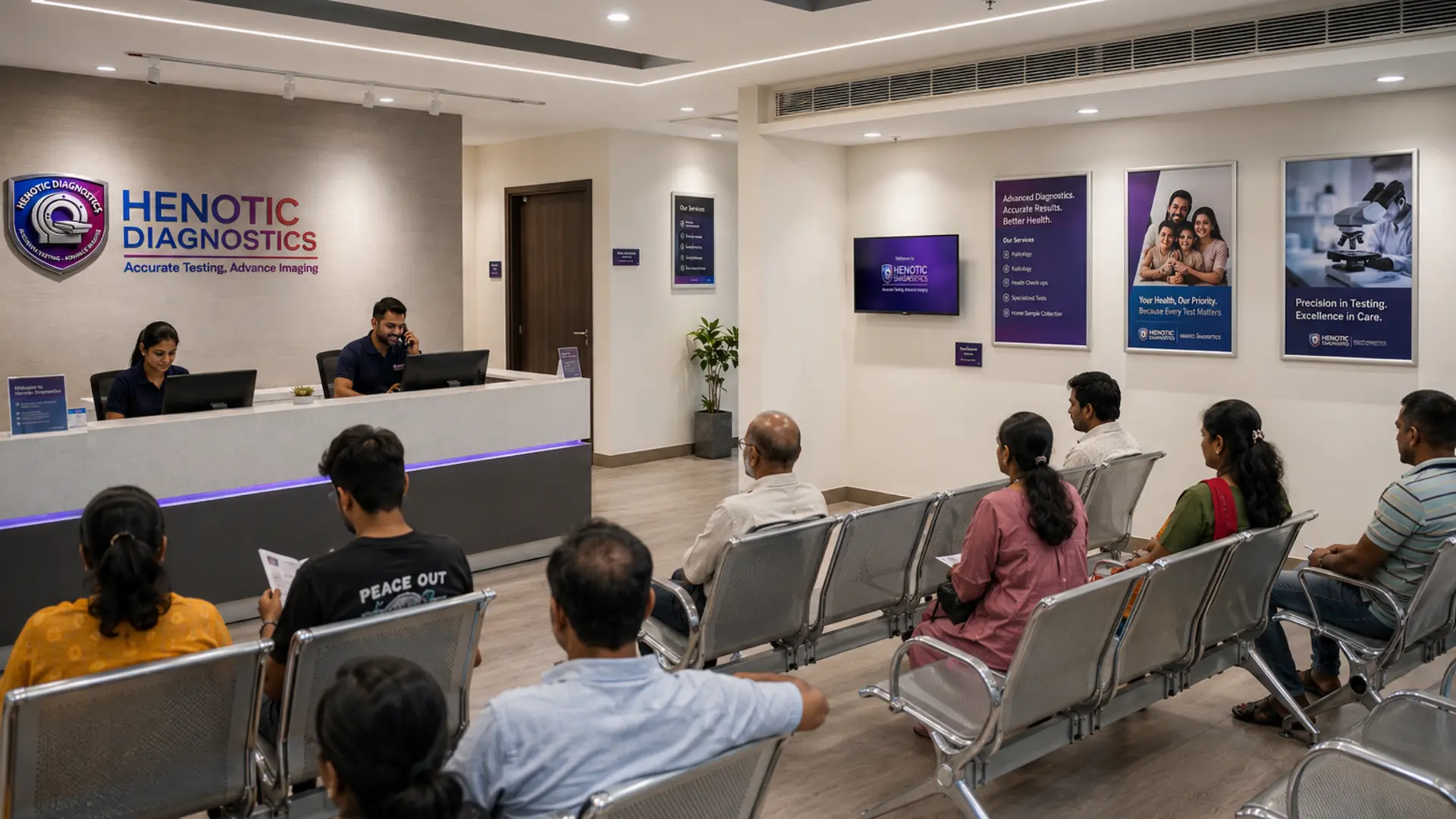 Furthermore, comfortable reception lounge providing supportive patient registration for third-generation genomic sequencing
What Does Long Read Genome Sequencing Evaluate?
Specifically, Third-Generation Sequencing evaluates structural variations (inversions, complex translocations, large insertions/deletions), short tandem repeat expansions (CAG, CGG, C9orf72 repeats), functional genes masked by homologous pseudogenes (e.g. SMN1/SMN2, CYP2D6, GBA), and allele-specific haplotype phasing. Consequently, bioinformatic algorithms reconstruct full diploid assemblies. As a result, physicians diagnose previously unsolved rare diseases. In fact, to review human genome sequencing advancements, consult the NIH NHGRI Sequencing Fact Sheet.
 Furthermore, providing third-generation genomic sequencing with definitive structural variant and haplotype solutions.
What is Long Read Genome Sequencing?
In general, traditional short-read NGS breaks DNA into 150-300 base pair fragments, making it difficult to align reads across long repetitive sequences or resolve parent-of-origin chromosome strands. Essentially, Third-Generation Sequencing reads continuous DNA molecules exceeding 10,000 to 100,000+ base pairs. Therefore, single long reads span entire repetitive regions and structural breakpoints easily. Additionally, to read about third-generation sequencing methods, examine the Nature Methods journal.
 Additionally, third-generation long-read sequencers process intact DNA strands with 99.9% HiFi accuracy
What Does Long Read Genome Sequencing Check?
Overall, clinical Third-Generation Sequencing / TGS evaluates key complex variant categories:
Key Complex Genomic Variant Classes Evaluated
 In addition, bioinformatic software maps continuous long reads across complex repeat expansions and chromosomal breakpoints
When Is Long Read Genome Sequencing Recommended?
For example, clinical geneticists and neurologists order Third-Generation Sequencing when short-read Whole Exome Sequencing (WES) or Whole Genome Sequencing (WGS) returns negative results despite strong clinical symptoms. In particular, testing is recommended for suspected spinocerebellar ataxia, spinal muscular atrophy (SMA carrier status), Gaucher disease (GBA), or unsolved neurodevelopmental syndromes. Moreover, it is used in oncology for complex tumor genome assembly. In addition, to review ACMG variant interpretation guidelines, examine the ACMG Medical Genetics Guidelines.
 Moreover, expert clinical geneticists interpret long-read haplotype phasing to solve complex hereditary conditions
Clinical Superiority: Third-Gen Long Reads vs. Short-Read NGS
Ideally, geneticists choose Long Read Genome Sequencing because short-read NGS (150 bp) gets misaligned or completely lost inside repetitive genome regions (~15% of human DNA). In addition, long continuous reads bridge repetitive regions, resolving structural variants and phase information directly. Indeed, to review global rare disease genetics facts, consult the WHO Rare Disease & Genetics Fact Sheet.
Long Read Genome Sequencing Cost Guide
| Clinical Long-Read Service | Approximate Cost (₹) |
|---|---|
| Targeted Long-Read Repeat Expansion Panel | First, targeted repeat expansion panel pricing is ₹48,000 – ₹58,000. |
| Whole Genome Long-Read PacBio HiFi Sequencing (30X) | Second, 30X PacBio HiFi long-read WGS costs ₹65,000 – ₹78,000. |
| Ultra-Deep Oxford Nanopore Long-Read WGS | In addition, Nanopore structural WGS costs ₹72,000 – ₹85,000. |
| High Molecular Weight (HMW) DNA Extraction | Finally, specialized HMW extraction logistics is complimentary. |
Comparison: Long Read Sequencing vs. Short Read NGS vs. Sanger Sequencing
On one hand, short-read NGS remains cost-effective for single nucleotide variant screening, whereas Long Read Genome Sequencing provides superior resolution for large structural variants, repeat expansions, and phased haplotypes. Consequently, third-generation sequencing solves complex diagnostic odysseys. In fact, review the PubMed Clinical Long Read Sequencing Review.
| Feature | Long Read Sequencing (TGS) | Short Read NGS |
|---|---|---|
| Average Read Length | First, continuous 10,000 to 100,000+ bp. | However, short 150 to 300 bp fragments. |
| Repeat Expansion Resolution | Second, 100% full span resolution. | In contrast, fails on repeats >300 bp. |
| Pseudogene Distinction | In addition, complete discrimination (SMN1/2). | Meanwhile, ambiguous read alignment. |
| Haplotype Phasing | Finally, direct chromosome-wide phasing. | Likewise, requires parental statistical phasing. |
Frequently Asked Questions
What is Long Read Genome Sequencing? ▼
First, Long Read Genome Sequencing is a third-generation genomic technology that reads continuous DNA strands measuring 10,000 to over 100,000 base pairs in length.
How does Long Read Sequencing differ from short-read NGS? ▼
In addition, while short-read NGS breaks DNA into 150-300 bp fragments, long reads spans complex repetitive regions, pseudogenes, and large structural rearrangements effortlessly.
Can Long Read Sequencing detect trinucleotide repeat expansion disorders? ▼
Furthermore, Long Read Sequencing excels at accurately quantifying repeat expansions in Huntington disease, Fragile X, ataxia, and C9orf72 ALS/FTD.
What sample is required for Long Read Genome Sequencing? ▼
Generally, 5-10 mL of fresh peripheral blood in EDTA tubes prepared for high molecular weight (HMW) DNA isolation is required.
Do I need to fast before Long Read Genome Sequencing? ▼
Because constitutional long-read genomic analysis evaluates nuclear DNA, fasting is unnecessary.
What is the cost of Long Read Genome Sequencing? ▼
Overall, high-precision Long Read Genome Sequencing ranges from ₹48,000 to ₹85,000 depending on coverage depth and clinical scope.
Quick Appointment Booking
Schedule your Long Read Genome Sequencing with accredited genomic experts.
Call: 088793 27184 WhatsApp BookingTest Summary
Reporting Clinical Genomic Specialist

Dr. Pratibha Patil
Chief Consultant Radiologist & Clinical Diagnostics Specialist
MBBS, MD (Radiodiagnosis) · 15+ Years Clinical Experience
Furthermore, your Long Read Genome Sequencing data is evaluated by accredited third-generation bioinformaticians and geneticists. Consequently, comprehensive reports empower physicians with definitive structural variant and haplotype solutions.
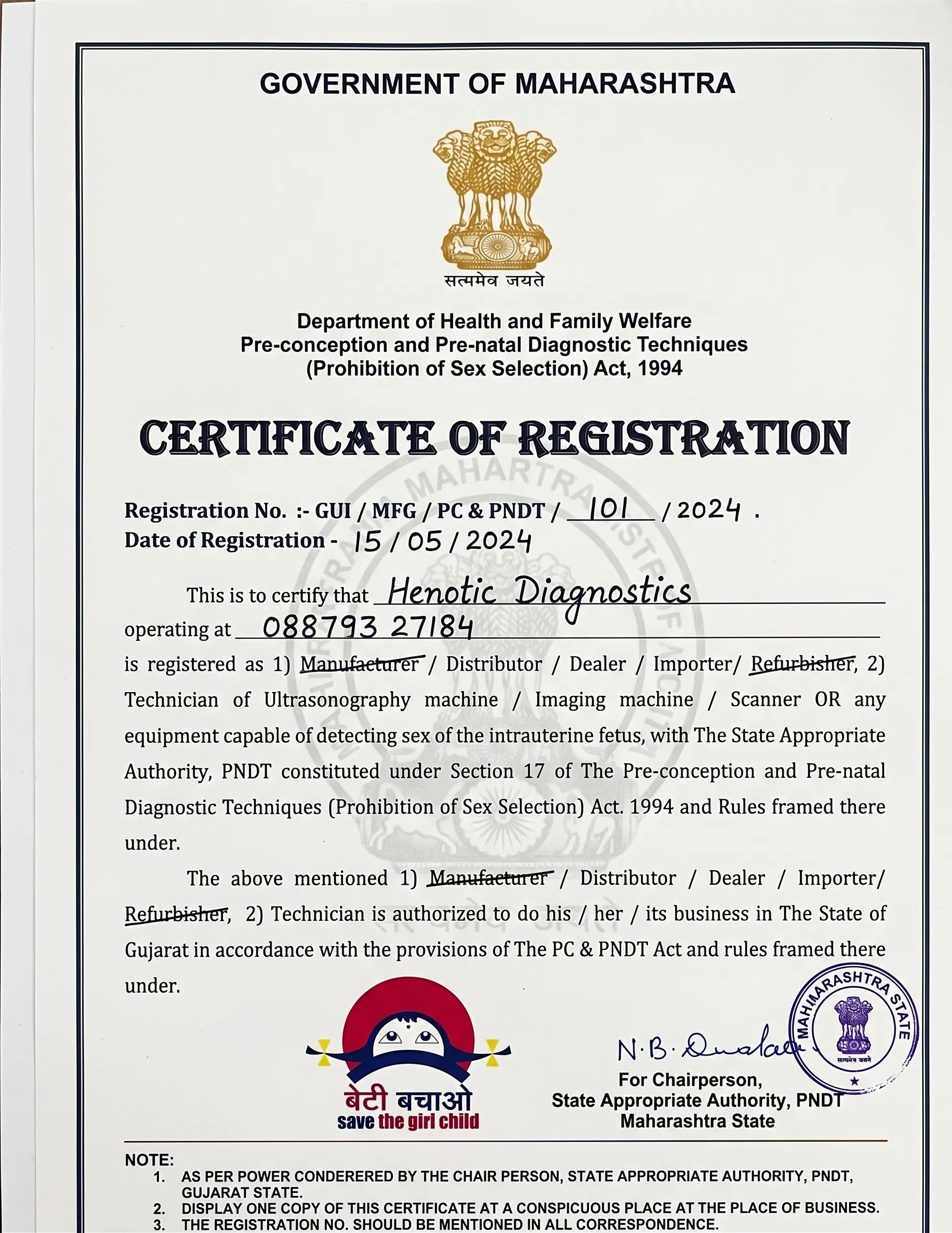
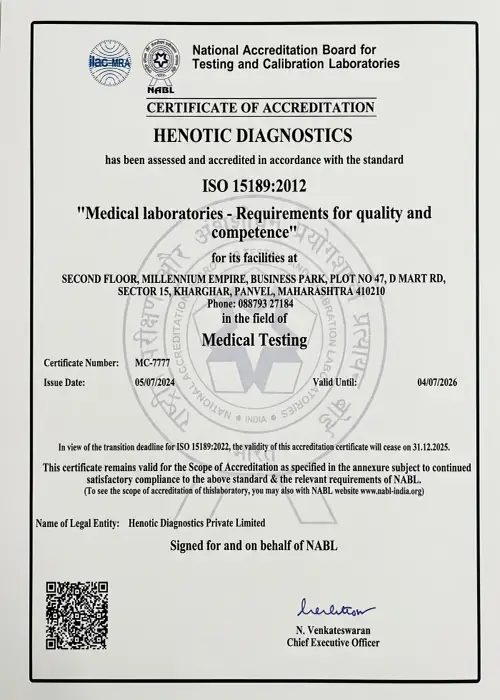
Our Accreditations & Quality Standards
Certified excellence ensuring third-gen long read depth, bioinformatic structural variant calling accuracy, and patient privacy.



What Our Patients Say
Real feedback from patients who completed Long Read Genome Sequencing with us.
“After two negative short-read WES tests, Long Read Sequencing identified a complex structural inversion explaining my son’s ataxia. Furthermore, treatment strategy finally became clear!”
– Arvind N.
Verified Patient Review“Extremely precise repeat expansion measurement for Huntington disease risk evaluation. In addition, sample home collection was seamless.”
– Neha T.
Verified Patient Review“Pioneering NABL accredited third-generation sequencing center. Henotic Diagnostics is our trusted referral laboratory for complex long-read genomics.”
– Dr. Siddharth P.
Verified Clinical Geneticist ReviewRelevant Diagnostic Genomic & Sequencing Services
Corporate Booking Office & Location
If you require Long Read Genome Sequencing for repeat expansion, structural variant, or unsolved rare genetic disease evaluation, do not delay. Call to schedule your sample collection.
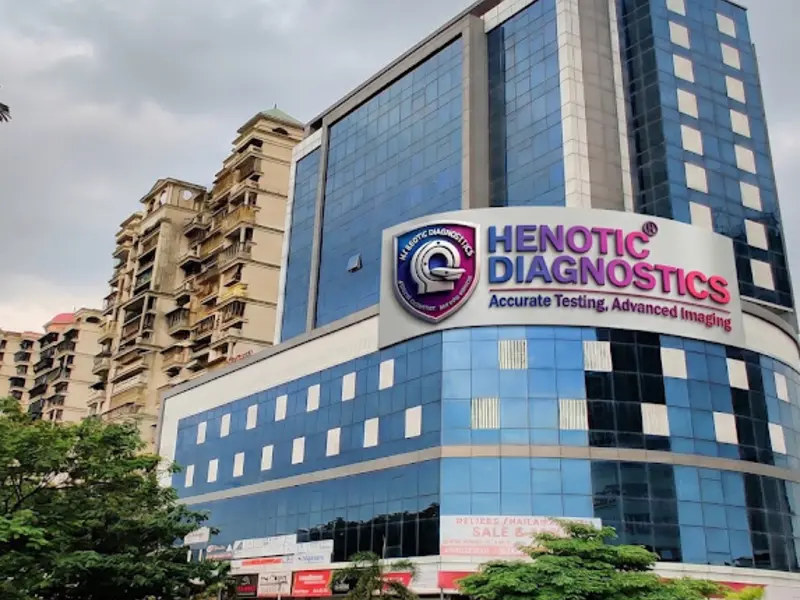
Henotic Diagnostics
Second floor, Millennium Empire, Business Park, Plot No 47, D Mart Rd, Sector 15, Kharghar, Navi Mumbai, Panvel, Maharashtra 410210
Phone: 088793 27184 | Hours: Open 24 Hours