Liver Function Test (LFT)
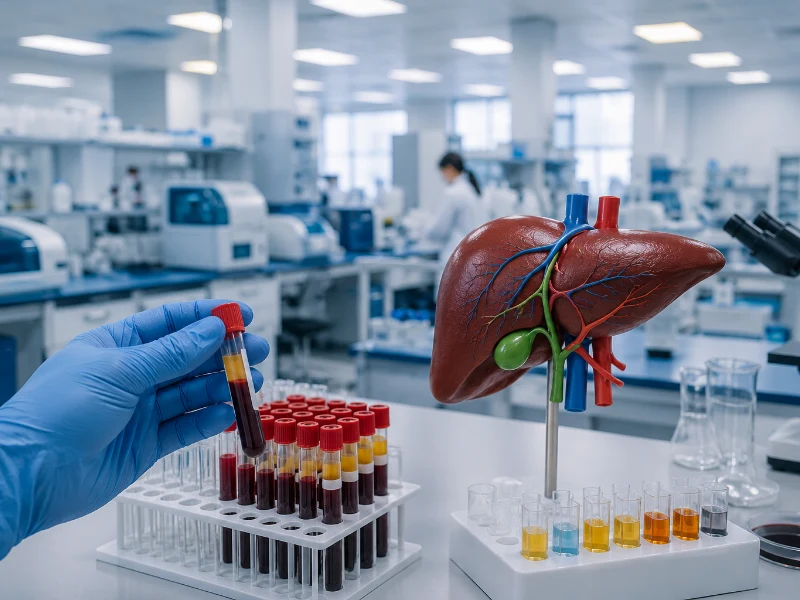
A Liver Function Test (LFT), also referred to as a hepatic panel, is a clinical group of blood chemistry evaluations designed to measure how effectively your liver is processing, filtering, and synthesizing vital compounds. By tracking specific liver enzymes, proteins, and waste products, this panel gives your physician a clear window into your hepatic health. Specifically, by utilizing advanced automated clinical chemistry technology, our laboratory evaluates liver markers with exceptional precision to identify underlying tissue variations or inflammation.
Furthermore, because the liver functions as your body’s main filtration and metabolic hub—responsible for clearing toxins, synthesizing blood-clotting proteins, converting nutrients, and processing medications—catching early functional changes is highly important. Consequently, our dedicated diagnostic protocols use precise enzymatic and colorimetric methods to ensure highly reproducible readings. As a result, physicians can easily spot early fatty liver changes, hepatitis flare-ups, biliary blockages, and metabolic shifts before physical symptoms complicate your health.
What is a Liver Function Test (LFT)?
A liver function test is a comprehensive blood panel that breaks down and measures distinct cellular enzymes and metabolic byproducts managed by hepatic tissues. Therefore, high-precision laboratory analysis allows our pathologists to accurately check both cellular integrity and the synthetic capacity of your liver for a complete systemic health check.
- Alanine Aminotransferase (ALT / SGPT)
- Aspartate Aminotransferase (AST / SGOT)
- Alkaline Phosphatase (ALP)
- Gamma-Glutamyl Transferase (GGT)
- Total Bilirubin
- Direct (Conjugated) Bilirubin
- Indirect (Unconjugated) Bilirubin
- Total Protein
- Serum Albumin
- Serum Globulin
- Albumin-to-Globulin (A/G) Ratio

Why is an LFT Test Performed?
Physicians commonly recommend a liver function test during routine health screenings, when monitoring the side effects of certain medications, or when investigating symptoms like digestive distress or unusual lethargy. Moreover, the analytical results directly assist gastroenterologists, hepatologists, general physicians, and surgeons in establishing accurate diagnoses and preventive strategies. Our experienced medical team ensures you receive precise results.
- Routine tracking during annual wellness physical checkups
- Evaluating symptoms like yellowing of the skin or eyes (Jaundice)
- Investigating abdominal pain, unexplained swelling, nausea, or dark urine
- Monitoring individuals who regularly consume alcohol or have a history of liver conditions
- Checking the hepatic safety of long-term medications, statins, or chronic prescriptions
- Managing metabolic risk indicators like Non-Alcoholic Fatty Liver Disease (NAFLD)
- Tracking the progress of viral infections such as Hepatitis B or C
- Investigating unexplained chronic fatigue, low appetite, or sudden weight shifts

Key Biomarkers Mapped During a Liver Function Test
Hepatic Transaminases (ALT & AST)
We measure ALT and AST levels, which are enzymes found primarily inside liver cells. When liver tissue experiences inflammation or damage, these enzymes leak into the bloodstream, serving as early indicators of cell strain.
Biliary Enzymes (ALP & GGT)
Our team checks ALP and GGT levels. Elevated concentrations frequently point to a slowdown or blockage in your bile ducts, or can signal irritation related to alcohol or specific medications.
Bilirubin Breakdown Fractions
The analyzer measures total, direct, and indirect bilirubin—a yellow pigment produced during the normal breakdown of red blood cells. Tracking these fractions helps clinicians pinpoint exactly where a processing or filtering problem is occurring.
Synthetic Proteins (Albumin & Total Protein)
We evaluate albumin and total proteins created directly by your liver. Low numbers can mean your liver’s building capacity has decreased, or can indicate nutritional and fluid balance shifts.
Conditions Managed and Monitored via Hepatic Profiling
An accurate liver function test assists in identifying and managing a variety of metabolic, infectious, and degenerative disorders. You can review clinical liver care guidelines from the American Liver Foundation standards.
- Non-Alcoholic Fatty Liver Disease (NAFLD) and NASH
- Alcohol-induced Hepatic Damage and Cirrhosis
- Acute and Chronic Viral Hepatitis (A, B, C, E)
- Cholelistiasis (Gallstones blocking bile flow) and Cholangitis
- Drug-induced Liver Injury (DILI) or acetaminophen toxicity
- Autoimmune Hepatitis tracking
- Hemochromatosis and Wilson’s disease (Mineral storage variances)
- Portal Hypertension and secondary fluid issues
If your liver panel shows complex metabolic variances, your clinician may recommend cross-referencing your results with other key diagnostic checks. For a detailed look at your cardiovascular risk factors, look over our Lipid Profile test services. For a complete look at your blood cellular systems, see our Complete Blood Count (CBC) test services, explore our general blood test services, or see how underlying neuroendocrine pathways are managed via our specialized MRI Pituitary Brain services. If you prefer to have your blood sample drawn comfortably without traveling to the clinic, you can book a certified technician through our home blood collection services.
Preparation for a Liver Function Test
- Inform our laboratory staff about all daily medications, antibiotics, or herbal supplements you take.
- Drink plenty of plain water during your fast to remain well-hydrated, which helps make finding a vein easier.
- Avoid consuming alcohol, tobacco, or high-fat meals for at least 24 hours prior to sample collection.
- Inform our laboratory staff about all daily medications, antibiotics, or herbal supplements you take.
- Schedule your sample collection in the early morning to match baseline clinical reference distributions.
What Happens During the Sample Collection?
- Our professional phlebotomist seats you comfortably in our designated collection suite.
- A soft band is placed around your upper arm to help make the collection vein clearly visible.
- The skin over the selected site is thoroughly cleaned using a sterile antiseptic wipe.
- We draw your blood sample quickly and smoothly using an advanced, single-use vacuum collection system.
- The needle is carefully removed, and a gentle compression pad is pressed over the site to stop bleeding.
- A protective bandage is applied, and your sample tube is instantly barcoded for security.
- The sample is transferred directly to our automated chemistry analyzer systems for rapid processing.
The blood drawing sequence is highly efficient, typically taking less than 3 minutes to safely complete.
Frequently Asked Questions
Is fasting strictly mandatory for an LFT test?
Fasting for 10 to 12 hours is highly recommended because food intake can temporarily alter your blood chemical balances, affecting the measurement of certain enzymes and bilirubin scores. Always follow the specific prep steps given when you book.
What is the difference between SGPT (ALT) and SGOT (AST)?
SGPT (ALT) is found almost exclusively inside liver cells, making it a highly specific indicator of direct liver inflammation. SGOT (AST) is found in liver tissue but is also present in heart and skeletal muscle cells, meaning spikes can sometimes reflect muscle strain or other systemic responses.
Can a mild fatty liver show completely normal LFT numbers?
Yes. Early or mild fatty liver changes do not always cause immediate cellular damage or enzyme leaks. This is why checking your blood values alongside abdominal imaging gives your doctor a much more complete picture.
How long does it take to get liver function test results back?
Our fully automated diagnostic facility processes hepatic chemistry panels efficiently, with verified digital reports usually available within 12 to 24 hours of your sample collection.
Why is a blood test preferred over checking physical symptoms for liver issues?
Ultimately, the liver is an incredibly resilient organ and often compensates for stress for a long time, meaning severe liver disease can progress quietly without showing any early physical signs. Precise blood screening is the only way to catch cell irritation in its early, reversible stages.
Why Our Diagnostics Laboratory is the Premier Choice for Hepatic Testing
Our medical laboratory remains the premier choice for tracking your metabolic health because we provide exceptionally precise liver function measurements. Furthermore, our automated testing systems eliminate human error, our quality control protocols align with global pathology standards, and we ensure rapid delivery of your reports so you and your doctor stay fully informed. This steady focus on diagnostic accuracy makes our laboratory a trusted partner in protecting your long-term metabolic and hepatic wellness.