Lipid Profile Test
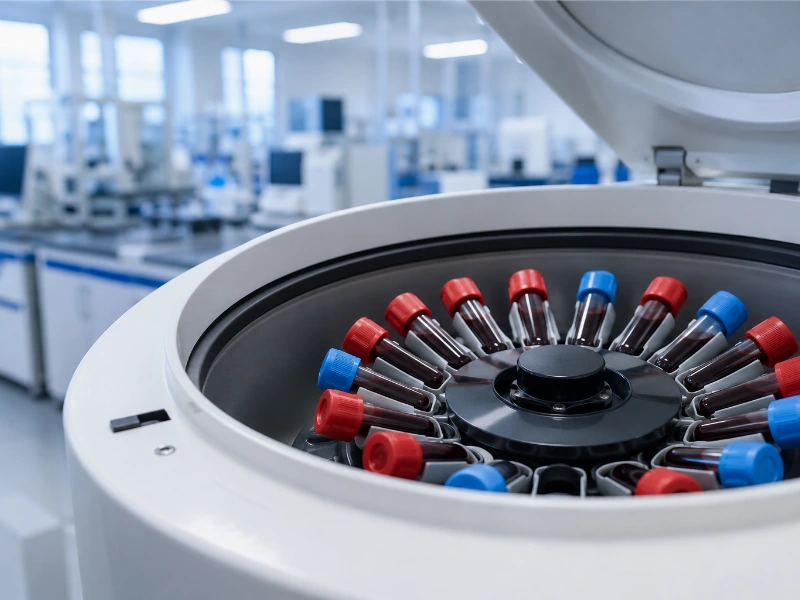
A Lipid Profile Test, also widely known as a complete cholesterol panel, is a specialized group of blood chemistry evaluations designed to measure the amount of specific fat molecules, or lipids, circulating in your bloodstream. By tracking these distinct fatty substances, this screening panel provides critical information regarding your overall cardiovascular health. Specifically, by using advanced automated clinical chemistry technology, our laboratory evaluates lipid markers with exceptional precision to help estimate your risk of developing plaque buildup in your arteries.
Furthermore, because imbalances in circulating lipids can contribute to long-term cardiovascular issues without causing any early warning signs, routine lipid tracking plays a crucial preventative role. Consequently, our dedicated testing protocols utilize ultra-precise enzymatic colorimetric methods to ensure highly reproducible readings. As a result, physicians can easily identify early risk factors, monitor the effectiveness of dietary changes, and customize treatment strategies to keep your heart healthy.
What is a Lipid Profile Test?
A lipid profile test is a comprehensive blood panel that breaks down and measures the different types of fats carried by proteins in your vascular system. Therefore, high-precision laboratory analysis allows our pathologists to accurately evaluate the balance of beneficial and potentially dangerous fats for a complete cardiovascular health assessment.
- Total Cholesterol
- High-Density Lipoprotein (HDL) Cholesterol (“Good” cholesterol)
- Low-Density Lipoprotein (LDL) Cholesterol (“Bad” cholesterol)
- Very Low-Density Lipoprotein (VLDL) Cholesterol
- Triglycerides
- Non-HDL Cholesterol
- Total Cholesterol-to-HDL Ratio
- LDL-to-HDL Ratio

Why is a Lipid Profile Test Performed?
Physicians commonly recommend a lipid profile test as part of routine health screenings, when evaluating personal cardiac risk factors, or when checking how well cholesterol-lowering treatments are working. Moreover, the results directly assist cardiologists, endocrinologists, diabetologists, and general physicians in establishing accurate preventive strategies. Our experienced medical team ensures you receive precise results.
- Routine checking during annual wellness physicals
- Monitoring individuals with a strong family history of early heart disease or stroke
- Evaluating individuals with preexisting risk factors like Diabetes or Hypertension
- Tracking the health impact of lifestyle modifications, such as changes in diet and exercise
- Checking the effectiveness of cholesterol-lowering medications like statins
- Assessing cardiac safety patterns in individuals who smoke or cope with high stress
- Investigating underlying metabolic syndrome indicators
- Long-term health monitoring for obesity or sedentary individuals

Key Biomarkers Evaluated During a Lipid Profile Test
Total Cholesterol
We measure the overall amount of cholesterol circulating in your blood, combining all lipid fractions to build an initial baseline of your body’s fat balance.
HDL Cholesterol (“Good” Cholesterol)
Our team evaluates high-density lipoproteins, which actively help clear extra fats from your bloodstream by carrying them back to your liver, protecting your blood vessels.
LDL Cholesterol (“Bad” Cholesterol)
The analyzer calculates low-density lipoproteins. Excessively high levels of LDL can accumulate along the inner lining of your arteries, forming hard plaques that restrict normal blood flow.
Triglycerides
We measure triglycerides, a common type of fat derived directly from extra calories your body doesn’t use right away. Elevated levels are often tied to metabolic changes and insulin resistance.
Conditions Managed and Monitored via Lipid Profiling
An accurate lipid profile assists in evaluating and managing a wide range of chronic metabolic, cardiovascular, and genetic conditions. You can read more about standard heart-health parameters from the American Heart Association guidelines.
- Hypercholesterolemia (Elevated blood cholesterol levels)
- Hypertriglyceridemia (High circulating triglyceride concentrations)
- Coronary Artery Disease (CAD) risk assessment
- Atherosclerosis (Arterial plaque development monitoring)
- Metabolic Syndrome and insulin resistance indicators
- Familial Hypercholesterolemia (Inherited high cholesterol conditions)
- Pancreatitis risk tracking (associated with very high triglycerides)
- Peripheral Artery Disease (PAD) risk screening
- Stroke and cerebrovascular risk evaluation
If your lipid profile indicates broader metabolic variations, your clinician may suggest targeted cross-reference panels. For deep analysis of cell structures and clotting risks, view our Complete Blood Count (CBC) test services. For comprehensive organic filtering evaluation, check out our Kidney Function Test services, explore our general blood test services, or see how underlying neuroendocrine issues are imaged via our specialized MRI Pituitary Brain services. If you prefer to have your sample drawn comfortably without travel, you can book a certified mobile professional through our home blood collection services.

Preparation for a Lipid Profile Test
- Fasting for 10 to 12 hours before your blood draw is highly recommended to ensure accurate triglyceride and LDL readings.
- Drink plenty of plain water during the fasting period to stay well-hydrated, which helps make finding a vein easier.
- Avoid consuming alcohol or high-fat meals for at least 24 hours prior to sample collection.
- Inform our laboratory staff about any cholesterol-lowering drugs or supplements you take.
- Avoid strenuous, intense muscle exercise immediately before the blood collection process.
What Happens During the Sample Collection?
- Our professional phlebotomist seats you comfortably in our designated collection suite.
- A soft band is placed around your upper arm to help make the collection vein clearly visible.
- The skin over the selected site is thoroughly cleaned using a sterile antiseptic wipe.
- We draw your blood sample quickly and smoothly using an advanced, single-use vacuum collection system.
- The needle is carefully removed, and a gentle compression pad is pressed over the site to stop bleeding.
- A protective bandage is applied, and your sample tube is instantly barcoded for security.
- The sample is transferred directly to our automated chemistry analyzer systems for rapid processing.
The blood drawing sequence is highly efficient, typically taking less than 3 minutes to safely complete.
Frequently Asked Questions
Is fasting strictly mandatory for a lipid profile test?
Fasting for 10 to 12 hours is usually recommended because recent meals can temporarily raise your triglyceride levels, which can distort your calculated LDL scores. However, some non-fasting checks are fine for initial routine screenings; you should follow your doctor’s exact instructions.
What is the difference between HDL and LDL cholesterol?
HDL is considered “good” cholesterol because it carries extra fats away from your blood vessels and back to the liver for disposal. LDL is called “bad” cholesterol because too much of it can lead to plaque buildup in your arteries, raising the risk of heart disease.
Can an abnormal lipid profile be reversed through lifestyle changes alone?
Yes. Mildly elevated cholesterol or triglycerides can often be successfully managed by adopting a heart-healthy diet low in saturated fats, increasing regular aerobic exercise, and maintaining a healthy weight.
How often should healthy adults check their lipid profile?
Medical guidelines suggest that healthy adults over the age of 20 should get a routine lipid profile test every 4 to 6 years. If you have risk factors like smoking, high blood pressure, or diabetes, your doctor will likely recommend more frequent monitoring.
Why is a blood test preferred over checking physical symptoms for high cholesterol?
Ultimately, high cholesterol is often called a hidden condition because it does not cause any physical symptoms until an advanced cardiovascular event occurs. Precise blood testing is the only way to catch and manage these fat balances early.
Why Our Diagnostics Laboratory is the Premier Choice for Cardiovascular Testing
Our medical laboratory remains the premier choice for tracking your cardiovascular health because we provide exceptionally precise lipid measurements. Furthermore, our automated testing systems eliminate human error, our quality control protocols align with global pathology standards, and we ensure rapid delivery of your reports so you and your doctor stay informed. This steady focus on diagnostic accuracy makes our laboratory a trusted partner in protecting your long-term heart health.