Uterine Doppler Ultrasound
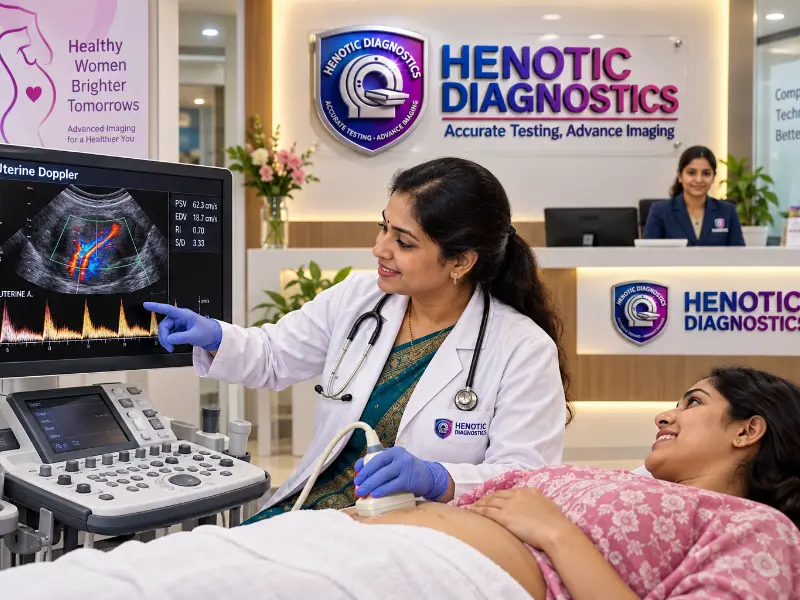
Safe & Complete Uterine Doppler Scan for Total Uterine Health
In fact, a Uterine Doppler Ultrasound is a safe, painless, and radiation-free imaging test. Specifically, it evaluates blood flow velocity and resistance through the uterine blood vessels. At Henotic Diagnostics, Kharghar, expert radiologists perform this specialized pelvic and obstetric scan. Furthermore, we use advanced high-frequency sound waves combined with color Doppler technology. As a result, doctors examine blood circulation to the uterus and developing placenta in real time. Consequently, this Uterine Artery Duplex Sonography predicts pre-eclampsia risks, fetal growth restriction (IUGR), and placental insufficiency early. In addition, early detection helps your physician create an evidence-based pregnancy management plan. For instance, learn more about diagnostic safety from the American Institute of Ultrasound in Medicine.
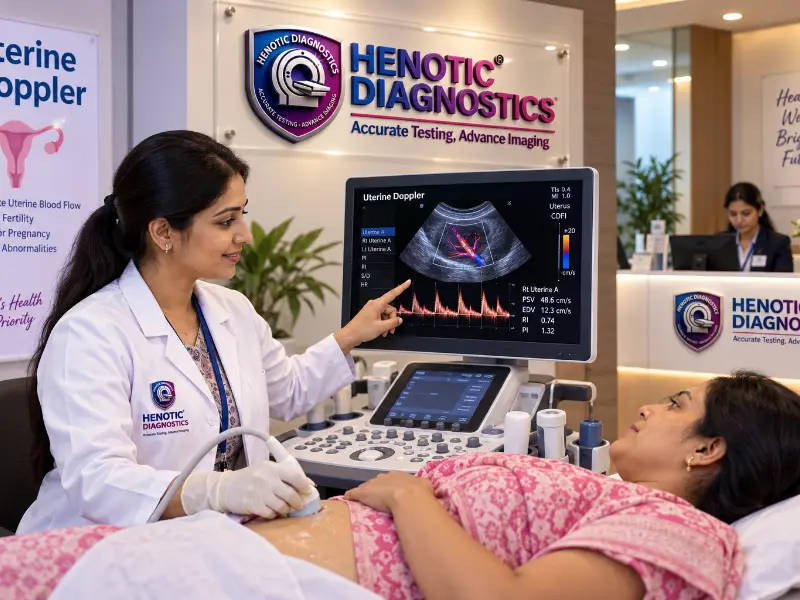
What is a Uterine Doppler Ultrasound?
In general, a Uterine Artery Duplex Sonography is a non-invasive diagnostic test for pelvic blood vessels. Specifically, doctors refer to this study as a Uterine Artery Doppler Flow Study or Uterine Duplex Ultrasound. In fact, it measures blood flow speed, direction, and resistance indices in your uterine vessels. Essentially, this Uterine Artery Duplex Sonography uses acoustic sound waves rather than ionizing radiation or contrast dyes. In comparison, traditional X-rays and CT scans are avoided during pregnancy due to radiation exposure. Therefore, a Uterine Artery Duplex Sonography is completely safe for both mother and developing baby. Additionally, it evaluates uterine blood supply non-invasively without any painful needles or invasive procedures. As a result, this scan provides an accurate foundation for managing maternal and pelvic health.
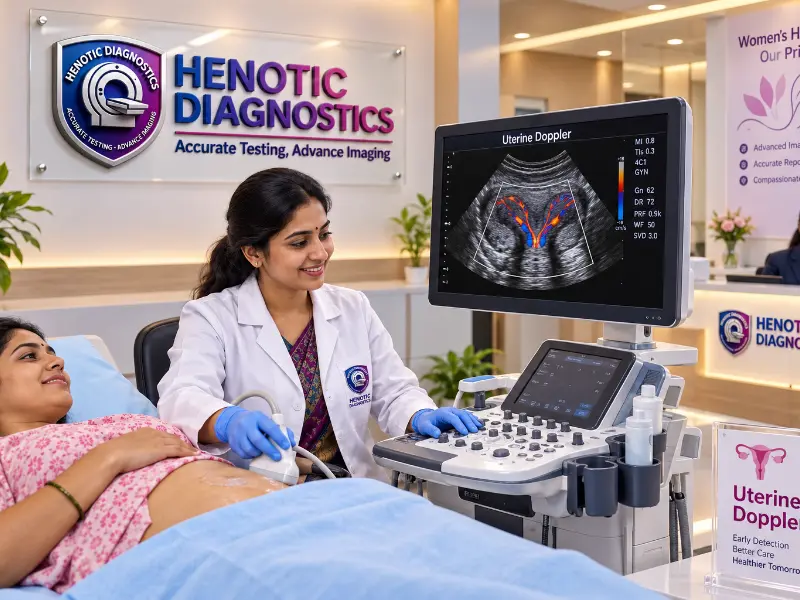
What Does a Uterine Doppler Ultrasound Check?
Overall, a comprehensive Uterine Artery Duplex Sonography scan evaluates key uterine and pelvic vascular networks:
- Uterine Artery Blood Flow: For instance, it evaluates blood velocity in the main uterine arteries on both sides of your pelvis. Consequently, doctors check for high vascular resistance, early diastolic notch, or impaired vessel adaptation.
- Placental Bed Circulation: Additionally, it assesses how effectively oxygenated blood flows into the developing placenta. As a result, it rules out placental insufficiency and pre-eclampsia complications early.
- Fetal Growth & IUGR Screening: In particular, the scan correlates uterine flow resistance with fetal growth trajectories. Therefore, it helps detect Intrauterine Growth Restriction (IUGR) in high-risk pregnancies.
- Myometrial & Fibroid Perfusion: Furthermore, it measures blood supply feeding uterine fibroids, adenomyosis, or the endometrial lining. In fact, it checks pelvic circulation per Mayo Clinic vascular guidelines.
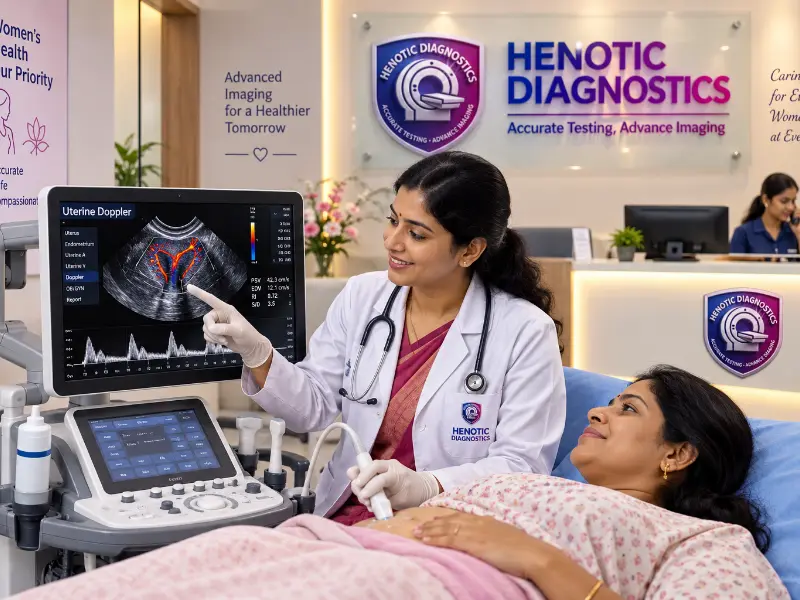
Who Should Get a Uterine Doppler Ultrasound?
Generally, obstetricians recommend a Uterine Artery Duplex Sonography scan for expectant mothers with risk factors. For instance, you should get tested if you have a history of pre-eclampsia or high blood pressure. In addition, expectant mothers with diabetes, kidney disease, or autoimmune conditions require scanning. Moreover, a Uteroplacenta Doppler Flow Assessment test is essential if previous pregnancies involved growth-restricted infants. Specifically, women expecting multiple babies or undergoing IVF fertility treatments benefit greatly. Furthermore, gynaecologists order this scan to evaluate uterine fibroids or abnormal menstrual bleeding.
Indications for a Uterine Doppler Scan
In fact, doctors prescribe a Uterine Artery Duplex Ultrasound to screen for critical reproductive conditions. Specifically, it helps predict pre-eclampsia before high blood pressure symptoms develop. In addition, it investigates unexplained fetal growth restriction and low amniotic fluid levels. Furthermore, a Uterine Artery Duplex Sonography provides vital evaluation during fertility and IVF workups. Consequently, it tracks maternal vascular adaptation and placental health throughout gestation.
Why Physicians Recommend Uterine Doppler Ultrasound
Above all, physicians recommend a Uteroplacenta Doppler Assessment scan to protect maternal and fetal well-being. Because restricted uterine flow increases pre-eclampsia risk, early screening enables timely preventive care. In fact, real-time color Doppler flow maps show uterine resistance and notch presence clearly. As a result, clinicians can prescribe low-dose aspirin early to improve placental circulation. Therefore, a Uterine Artery Duplex Ultrasound scan ensures proactive healthcare decision-making during pregnancy. For instance, these standards align with guidelines from the Radiological Society of North America.
When to Contact a Doctor Immediately
Ideally, you must seek immediate obstetric evaluation for sudden signs of pre-eclampsia. In fact, sudden severe headaches, vision changes, or facial swelling signal a high-risk situation. Similarly, seek urgent help for sudden decreases in fetal movement or abdominal pain. In addition, any vaginal bleeding or fluid leakage requires prompt diagnostic attention. Ultimately, fast Uteroplacenta Doppler Assessment imaging helps prevent severe pregnancy complications and tissue damage.
Common Symptoms That May Need a Uterine Doppler Scan
Specifically, your doctor may order a Uteroplacenta Doppler Assessment for high-risk pregnancy warning signs. For example, common warnings include elevated blood pressure readings during routine prenatal checkups. Additionally, watch for protein in urine tests or sudden maternal swelling. Moreover, lagging fundal height or sluggish fetal growth warrants detailed Doppler evaluation. In addition, explore detailed evaluation details on our Advanced Uterine Artery Doppler Studies page.
Types of Uterine & Obstetric Doppler Studies
In general, our imaging center provides comprehensive Uterine Artery Duplex Sonography and fetal scans:
- First Trimester Uterine Doppler (11-14 Weeks): Specifically, this scan screens for early pre-eclampsia risk alongside first trimester combined screening. As a result, high-risk mothers receive early preventative therapy.
- Second Trimester Uterine Doppler (18-24 Weeks): Additionally, this scan measures persistent uterine artery notch during routine anomaly scans. Consequently, it predicts late-onset pre-eclampsia and fetal growth restriction.
- Combined Fetal & Uterine Doppler Study: In particular, this study evaluates uterine, umbilical, and fetal middle cerebral arteries together. Therefore, it provides complete assessment of placental and fetal blood flow.
- Gynaecological Uterine Doppler: Furthermore, this scan measures uterine perfusion in non-expectant mothers with fibroids or infertility. In fact, it aids in IVF endometrial receptivity evaluation.
- High-Risk Pregnancy Doppler Monitoring: Finally, it tracks serial flow changes in mothers with gestational hypertension. Above all, it provides complete diagnostic peace of mind.
Conditions Detectable via Uterine Doppler Imaging
In fact, a Uterine Artery Duplex Ultrasound accurately detects major pregnancy and pelvic conditions:
- Pre-Eclampsia & Gestational Hypertension: For instance, it identifies high uterine vascular resistance and notch presence per Mayo Clinic standards. Additionally, it detects maternal vascular maladaptation months before clinical onset.
- Intrauterine Growth Restriction (IUGR): Specifically, the scan identifies impaired placental blood flow causing poor fetal growth. Furthermore, it helps obstetricians time fetal delivery safely.
- Placental Insufficiency & Abruption Risk: Moreover, it locates areas of reduced blood flow across the placental bed. Consequently, patients receive specialized high-risk pregnancy monitoring.
- Uterine Fibroids & Endometrial Vascularity: Finally, it measures blood supply feeding uterine fibroids or endometrial tissue.
Benefits of Uterine Doppler Procedure
Above all, the Uteroplacenta Doppler Assessment scan procedure is safe, painless, and 100% radiation-free. In fact, patients experience no discomfort or fetal risk during scanning. In addition, it delivers high-resolution real-time color flow visualization. As a result, it is an affordable and repeatable test for maternal-fetal health. Furthermore, obstetricians depend on it for high-risk pregnancy management.
Preparation and Procedure Steps
Generally, preparation for your Uterine Artery Doppler Flow Study scan is simple and effortless. For example, no fasting or diet restriction is required for obstetric pelvic scans. Because a partially full bladder aids early pelvic visualization, drink 2 glasses of water. Alternatively, for second and third trimester scans, normal hydration is completely sufficient. Additionally, wear loose, comfortable clothing to your ultrasound appointment. In fact, remember to bring your previous diagnostic reports along.
Uterine Doppler Cost Guide
In general, pricing for a Uteroplacenta Doppler Assessment scan remains transparent and affordable.
| Uterine Doppler Service | Approximate Cost (₹) |
|---|---|
| Uterine Doppler Ultrasound (Single Scan) | ₹2,500 – ₹3,500 |
| Combined Fetal & Uterine Doppler Study | ₹3,500 – ₹5,000 |
| High-Risk Pregnancy Vascular Doppler Package | ₹4,500 – ₹6,000 |
| Gynaecological Uterine Doppler Scan | ₹2,500 – ₹3,500 |
Comparison: Uterine Doppler vs. Invasive Testing
In comparison, a Uterine Artery Doppler Flow Study scan uses sound waves externally on your abdomen. Whereas, invasive procedures carry small surgical risks and patient anxiety. Consequently, a Uterine Artery Duplex Ultrasound is preferred as a safe, first-line screening tool. In contrast, invasive testing is reserved for complex chromosomal or genetic workups. For instance, learn more in the RadiologyInfo guide on vascular procedures.
Frequently Asked Questions
Is the Uterine Doppler Ultrasound procedure safe for my baby?
In fact, a Uterine Artery Duplex Ultrasound scan is completely safe, non-invasive, and radiation-free. Specifically, high-frequency sound waves are harmless to both mother and baby. Occasionally, light probe pressure is applied over your abdomen to obtain signals.
Do I need to fast before a Uterine Doppler scan?
In general, no fasting or diet restriction is required for uterine Doppler tests. Alternatively, you may eat, drink, and take prescribed prenatal vitamins normally.
How long does a Uterine Doppler Ultrasound take?
Typically, the pelvic scan takes between 25 to 40 minutes to complete. In addition, findings are reviewed with you immediately after scanning.
How quickly will I get my Uterine Doppler scan report?
Specifically, at Henotic Diagnostics, your verified Uterine Doppler report is delivered on the same day or within 24 hours.
|

|
||||||


Visit Henotic Diagnostics
In fact, our imaging facility in Kharghar features modern Uterine Doppler ultrasound equipment. Additionally, we ensure strict clinical protocols, patient comfort, and fast report delivery.
Address: Second floor, Millennium Empire, Business Park, Plot No 47, D Mart Rd, Sector 15, Kharghar, Navi Mumbai, Panvel, Maharashtra 410210.
Phone: 088793 27184
What Our Patients Say
⭐⭐⭐⭐⭐
“Thorough and professional! I was flagged for high pre-eclampsia risk. The Uterine Doppler scan clearly evaluated my blood flow. Dr. Pratibha Patil explained everything perfectly.”
⭐⭐⭐⭐⭐
“Very fast service and clean facility for my mother’s Uterine Doppler scan. Reports were sent to my phone immediately.”
Why Choose Henotic Diagnostics?
In fact, Henotic Diagnostics offers expert Uterine Doppler imaging in Kharghar. Above all, our experienced interventional radiologists focus on maternal-fetal health and patient care. Consequently, we deliver fast digital reports for critical pregnancy vascular conditions.
Relevant Diagnostic Vascular & Ultrasound Services
Book Your Appointment
If you require a Uterine Doppler scan, do not delay your evaluation.
Call 088793 27184 to book your slot.
Alternatively, explore our full range of diagnostic services online.
|
